
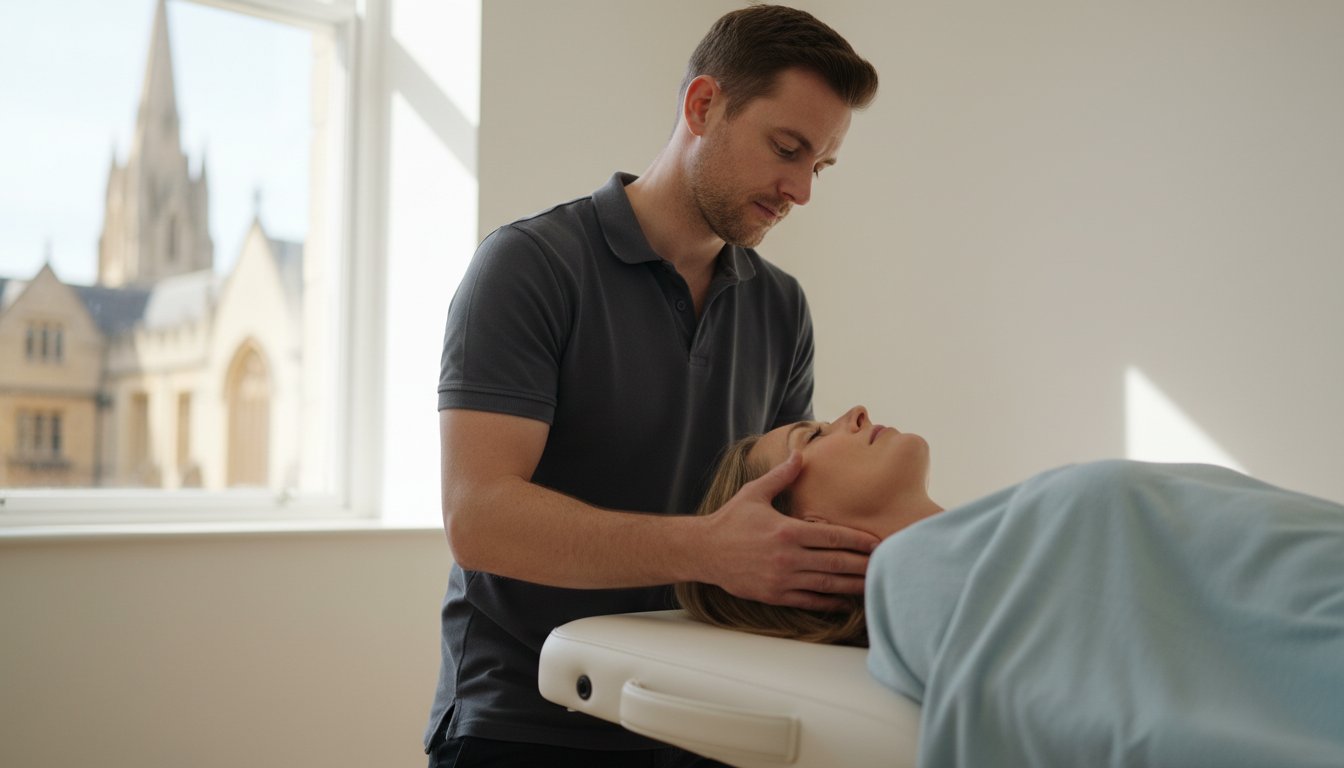
Persistent stiffness that fails to resolve with rest can be a source of significant concern and daily frustration. When faced with ongoing musculoskeletal (MSK) pain, it is common to feel uncertain about the best course of action, often navigating the confusing landscape of physiotherapy, chiropractic care, and general massage. For many, the underlying fear is that such persistent symptoms may require invasive procedures like surgery. However, a highly effective, non-surgical solution exists. Expert manual therapy offers a clinical, hands-on approach designed to directly address the source of your discomfort and restore function.
This guide provides clarity and confidence for your path to recovery. We will explain precisely what clinical manual therapy involves, how our evidence-based techniques can provide a noticeable reduction in pain and stiffness, and what to expect during a session at our Oxford clinic. Our goal is to demystify the process, helping you receive a clear diagnosis and a personalised treatment plan designed to improve your mobility. You will gain a clear understanding of your condition and the most effective interventions, empowering you to make informed decisions about your long-term health.
Key Takeaways
- Understand how modern hands-on treatment has evolved from simple ‘mechanical fixing’ to a sophisticated approach for managing your pain and mobility.
- Discover the science behind how skilled touch can modulate pain signals in your nervous system to provide effective, evidence-based relief.
- Identify whether clinical manual therapy or therapeutic massage is the right path for your specific goal, whether it’s functional recovery or relaxation.
- Learn which common conditions, including sciatica, neck-related headaches, and sports injuries, respond most effectively to a targeted treatment plan.
What is Manual Therapy? Defining the Clinical Hands-On Approach
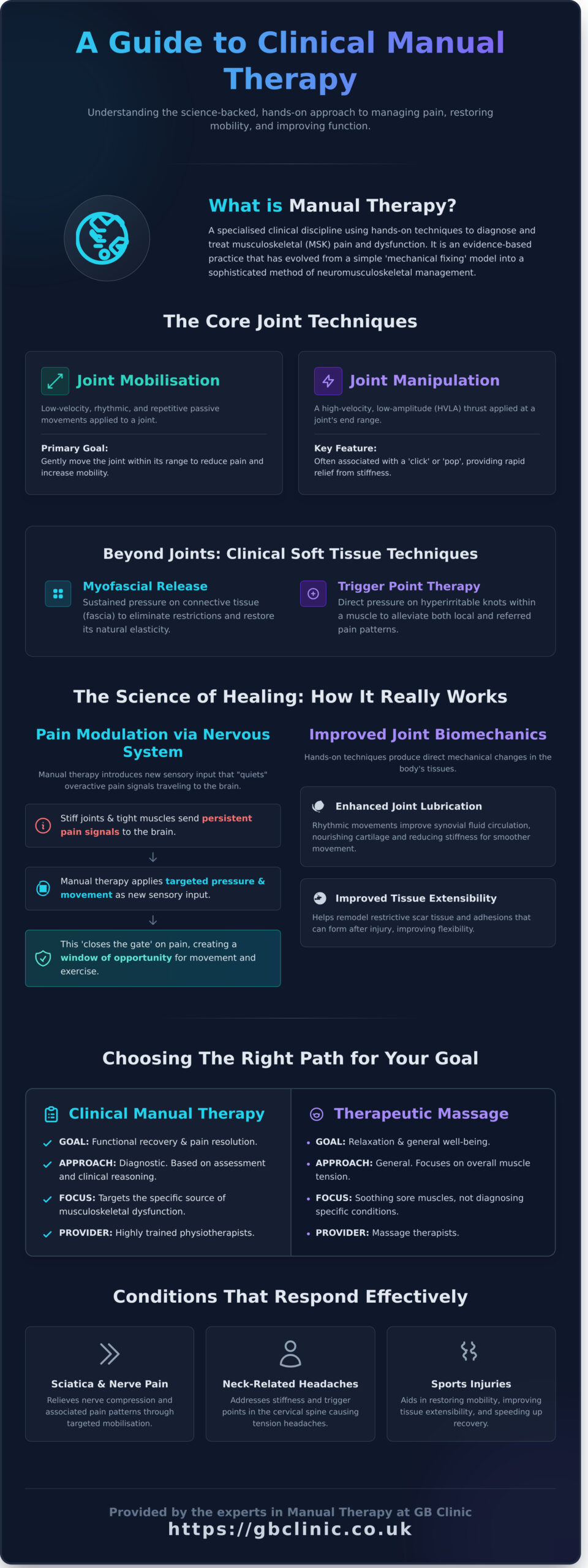
Manual therapy is a specialised clinical discipline within physiotherapy that utilises specific, hands-on techniques to diagnose and treat musculoskeletal (MSK) pain and dysfunction. The approach has evolved significantly from a simple ‘mechanical fixing’ model to a sophisticated method of neuromusculoskeletal management. It is an evidence-based practice performed by highly trained physiotherapists who understand that hands-on treatment can influence pain perception, reduce muscle guarding, and improve mobility. The formal definition of What is Manual Therapy distinguishes it from general bodywork through its foundation in detailed assessment, clinical reasoning, and a specific diagnosis to guide treatment.
To see some of these techniques in a clinical context, the following video provides a clear example of their application for shoulder rehabilitation:
The Core Techniques: Mobilisation vs. Manipulation
Two of the primary techniques used to address joint stiffness and pain are mobilisation and manipulation. The choice between them is always determined by your specific MSK diagnosis and treatment goals.
- Joint Mobilisation: This involves low-velocity, rhythmic, and repetitive passive movements applied to a joint. The aim is to gently move the joint within or at the limit of its range of motion to reduce pain and increase mobility.
- Joint Manipulation: This is a high-velocity, low-amplitude (HVLA) thrust technique applied to a joint at the end of its range. This is the technique often associated with a ‘click’ or ‘pop’, which can provide rapid relief from stiffness.
Soft Tissue Techniques in a Clinical Setting
Beyond joints, skilled hands-on treatment also addresses muscles, fascia, and nerves. Unlike a relaxing spa massage, these clinical techniques are targeted and diagnostic. Myofascial release, for example, applies sustained pressure to the connective tissue (fascia) to eliminate restrictions and restore its elasticity. Similarly, trigger point therapy involves applying direct pressure to hyperirritable knots within a muscle to alleviate both local and referred pain patterns. Each of these techniques serves a clear purpose: to reduce pain, release tension, and restore the functional movement necessary for your long-term recovery.
The Science of Healing: How Manual Therapy Actually Works
A common misconception is that clinicians are forcefully pushing bones or discs back into place. The reality is far more sophisticated. The benefits of skilled manual therapy are rooted in a complex interplay of neurological, mechanical, and psychological responses, all working together to reduce your pain and restore function.
Pain Modulation and the Nervous System
When a joint is stiff or a muscle is tight, the surrounding nerves can become sensitised, sending persistent pain signals to the brain. The targeted pressure and movement from hands-on treatment introduce new sensory information into this system. This input effectively “quiets” overactive pain receptors, as detailed in studies exploring the neurophysiological effects of manual therapy. This creates a valuable “window of opportunity” where pain is reduced, allowing you to engage more effectively with prescribed exercises and movement retraining. In essence, manual pressure can effectively ‘close the gate’ on pain signals travelling to the brain, providing immediate, albeit temporary, relief.
Improving Joint Biomechanics
Beyond the nervous system, hands-on techniques produce direct mechanical changes in the body’s tissues. These benefits include:
- Enhanced Joint Lubrication: Gentle, rhythmic joint mobilisations act like a pump, improving the circulation of synovial fluid within the joint capsule. This natural lubricant nourishes cartilage and reduces stiffness, leading to smoother, more comfortable movement.
- Improved Tissue Extensibility: Specific soft tissue techniques can help remodel restrictive scar tissue and adhesions that can form after an injury. By restoring normal tissue flexibility, we can significantly improve your range of motion and reduce feelings of tightness.
These mechanical improvements are a core component of our comprehensive physiotherapy services, designed to get you moving freely and without pain.
Finally, the psychological impact of professional hands-on care should not be underestimated. In a journey often marked by discomfort, the focused attention and therapeutic touch of an expert clinician can provide significant reassurance. This builds confidence and fosters a positive, collaborative environment essential for a successful recovery.
Manual Therapy vs. Therapeutic Massage: Choosing the Right Path
While both manual therapy and therapeutic massage involve hands-on techniques, their goals, assessments, and outcomes are fundamentally different. A therapeutic massage primarily aims for relaxation, stress reduction, and relief from general muscle tension. It is an excellent tool for wellness and managing day-to-day muscular aches.
In contrast, clinical manual therapy is a healthcare intervention designed to diagnose and treat specific musculoskeletal dysfunctions. The objective is not temporary relief but lasting functional restoration. This process begins with a comprehensive clinical assessment to identify the root cause of your pain or movement restriction. While the initial investment may be higher than a standard massage, the targeted expertise leads to a more efficient diagnosis and a faster, more durable recovery, providing superior long-term value.
This philosophy of choosing targeted, evidence-based care over generalist approaches applies to many areas of personal health and well-being. Just as one seeks a specialist for musculoskeletal issues, the same principle holds true for advanced skin health, where nurse-led clinics such as Ada Aesthetics offer specialized treatments that go beyond standard cosmetic care.
This detailed approach is also why hands-on therapy often serves as a crucial preparatory step before considering advanced MSK treatments, as it helps to restore optimal tissue health and joint mobility first.
When to Choose Manual Therapy
A standard massage may not be sufficient when you experience specific ‘red flags’. We recommend seeking a clinical assessment if you have:
- Pain that persists for more than a few weeks or worsens over time.
- A distinct loss of mobility or a restricted range of motion in a joint.
- Sharp pain associated with a specific movement or activity.
- Numbness, tingling, or radiating pain symptoms.
At GB Clinic, our ‘one-stop setup’ ensures you receive an accurate diagnosis and immediate treatment. By using tools like diagnostic ultrasound scans, our clinicians can visualise the underlying tissue and apply precise, evidence-based techniques to the exact source of the problem.
The Integrated Treatment Plan
Effective recovery is a partnership. Our hands-on manual therapy is designed to reduce your pain and restore movement, but this is just the first stage. We then guide you through the critical transition from passive treatment to active recovery.
This involves creating a personalised rehabilitation programme with specific exercises to strengthen the affected area, improve stability, and prevent the pain from returning. At GB Clinic, we act as your expert guide, empowering you with the knowledge and tools needed to move beyond temporary fixes and achieve sustainable, pain-free function.
Common Conditions Treated with Manual Therapy in Oxford
Manual therapy is a highly effective, hands-on approach for a wide spectrum of musculoskeletal conditions. At our central Oxford clinic, easily accessible for patients from Headington and Summertown, our specialists use targeted techniques to address both acute and chronic pain. Common issues we successfully treat include:
- Sciatica and lower back pain
- Neck-related headaches and stiffness
- Frozen shoulder and rotator cuff injuries
- Sports injuries and repetitive strain conditions
This approach is also fundamental in managing chronic conditions like osteoarthritis, where it can significantly improve joint function and reduce discomfort when integrated into a comprehensive, multi-faceted treatment plan.
Back and Neck Pain Relief
For acute back and neck pain, such as a ‘trapped’ or locked sensation, spinal mobilisation can provide immediate relief by restoring movement to stiff joints. Our approach extends beyond the treatment room; we provide long-term postural correction and ergonomic advice to prevent recurrence. We are proud to have helped many patients from Abingdon and Kennington achieve lasting relief and return to their daily activities without pain.
Peripheral Joint Issues: Knees, Hips, and Shoulders
This targeted physical treatment is crucial for restoring mobility in peripheral joints, especially during post-surgical rehabilitation. For active residents in Witney and Faringdon suffering from conditions like ‘tennis elbow’ or ‘runner’s knee’, our hands-on techniques reduce pain and accelerate recovery. In cases of severe inflammation, we may first recommend guided steroid injections to calm the joint, creating an optimal environment for effective manual work.
By identifying the root cause of your discomfort, our expert-led manual therapy treatments are designed to restore function and deliver long-term recovery. To understand how we can help with your specific condition, we invite you to book a consultation at our Oxford clinic.
The GB Clinic Approach: Expert Manual Therapy in Oxfordshire
Choosing the right clinical partner for your recovery is a significant decision. At GB Clinic, we have structured our entire patient experience around a clear and effective framework: identify the Problem, deliver a precise Solution, and achieve a lasting Benefit. This patient-centric model ensures that every step of your treatment is purposeful, transparent, and focused on restoring your health and mobility.
Our modern, professional clinic is designed to be a centre of excellence and reassurance. Conveniently located with easy access for patients travelling from Eynsham, Marcham, and across central Oxford, we provide a calm and clinical environment where you can feel confident you are receiving the highest standard of care from the moment you arrive.
Why Oxford Patients Trust GB Clinic
Our reputation is built on trust, expertise, and measurable results. The GB Clinic team is expert-led, committed to providing evidence-based care that addresses the root cause of your pain. We operate as a comprehensive ‘one-stop’ musculoskeletal (MSK) service, integrating diagnostics and treatment under one roof to ensure an efficient and seamless recovery journey. This integrated approach means you receive the right care, faster.
- Advanced Diagnostics: Utilising tools like diagnostic ultrasound to achieve an accurate diagnosis.
- Targeted Treatments: Offering a full spectrum of care from hands-on manual therapy to advanced shockwave therapy.
- Specialist Injections: Providing ultrasound-guided injections for precision pain relief and tissue repair.
Booking Your Path to Recovery
We believe that your first step toward recovery should be simple and without pressure. That is why we offer an initial consultation with no commitment, allowing you to discuss your condition with a specialist and understand the recommended treatment path. Our booking process is straightforward for all residents across Oxfordshire, designed to get you the help you need without delay.
Don’t let pain dictate your life. Take the first step towards improved movement and long-term relief. Book your manual therapy consultation at GB Clinic today.
Your Path to Recovery with Expert Manual Therapy
This guide has outlined how targeted manual therapy is a precise, clinical intervention designed to address the root cause of musculoskeletal pain and restore function. Unlike general massage, it is a diagnostic tool and a treatment delivered by highly trained clinicians to achieve specific, long-term outcomes. At The GB Clinic, our approach is centred on this evidence-based practice, ensuring every patient receives a clear diagnosis and an effective, hands-on recovery plan.
Our expert MSK clinicians are dedicated to improving your mobility and reducing your pain. With a one-stop diagnostic and treatment setup, our clinic is easily accessible for patients from Abingdon, Witney, and across Oxfordshire, providing a streamlined path to better health.
Take the first step towards lasting relief. Book Your Private MSK Consultation in Oxford to discover how our specialists can help you.
Your journey to a more comfortable and active life begins with expert care.
Frequently Asked Questions About Manual Therapy
Is manual therapy painful?
Manual therapy is designed to relieve pain, not cause it. While some techniques, such as deep soft tissue massage or joint mobilisation, may cause temporary, mild discomfort, it should not be painful. Our highly skilled physiotherapists will communicate with you throughout the session to ensure you are comfortable. Any post-treatment soreness typically feels similar to muscle ache after exercise and subsides quickly, leading to improved movement and reduced pain.
How many sessions of manual therapy will I need?
The number of sessions required is specific to each individual. It depends on factors such as the nature and severity of your condition, how long you have had it, and your personal recovery goals. Following a thorough initial assessment at our Oxford clinic, your physiotherapist will develop a personalised treatment plan. This plan will include a recommended number of sessions to achieve effective, long-term results and restore function as efficiently as possible.
What is the difference between manual therapy and a chiropractor?
While both use hands-on techniques, their approach and scope differ. Manual therapy is a specialisation within physiotherapy, employing a broad range of techniques like joint mobilisation, soft tissue work, and nerve mobilisation as part of a comprehensive rehabilitation plan. Chiropractic care traditionally focuses more specifically on spinal adjustments (manipulations). Our physiotherapists integrate manual therapy with targeted exercises and education to treat the entire musculoskeletal system and address the root cause of your pain.
Do I need a GP referral for manual therapy in Oxford?
No, you do not need a GP referral to see one of our specialist physiotherapists for private treatment. You can book an appointment directly with our clinic, which allows for prompt assessment and a faster start to your recovery. However, if you intend to use a private health insurance policy to cover the cost of your treatment, we advise checking with your provider, as some may require a formal referral from your GP.
Can manual therapy help with chronic long-term pain?
Yes, manual therapy is a highly effective treatment for managing chronic pain conditions. For long-term issues, our approach focuses on reducing joint stiffness, improving mobility, and desensitising painful areas to restore function. When combined with a tailored exercise programme and expert advice, this hands-on treatment can significantly reduce pain levels, improve your quality of life, and provide you with effective strategies for long-term self-management and relief.
What should I wear to my manual therapy appointment?
We recommend you wear loose, comfortable clothing that allows for easy movement and enables the therapist to access the area requiring treatment. For example, if you are attending for a knee or hip problem, a pair of shorts would be ideal. For a shoulder or neck issue, a vest or t-shirt is suitable. This ensures your physiotherapist can perform a thorough assessment and apply treatment techniques effectively and without restriction.
Is manual therapy covered by private health insurance?
Most major UK private health insurance providers recognise and cover treatment from chartered physiotherapists, which includes manual therapy techniques. However, individual policies vary significantly in their level of cover, excess, and referral requirements. We strongly recommend you contact your insurance provider before beginning your treatment to confirm the details of your policy and obtain any necessary pre-authorisation to ensure your sessions are covered.
Can I have manual therapy if I am also receiving injections?
Absolutely. In fact, combining these treatments is often a highly effective clinical strategy. A therapeutic injection can reduce pain and inflammation, creating an optimal window for our physiotherapists to perform manual therapy and guide you through rehabilitation exercises. This integrated approach ensures we not only manage your symptoms but also address the underlying cause of the issue, leading to more complete and lasting recovery and restored function.