
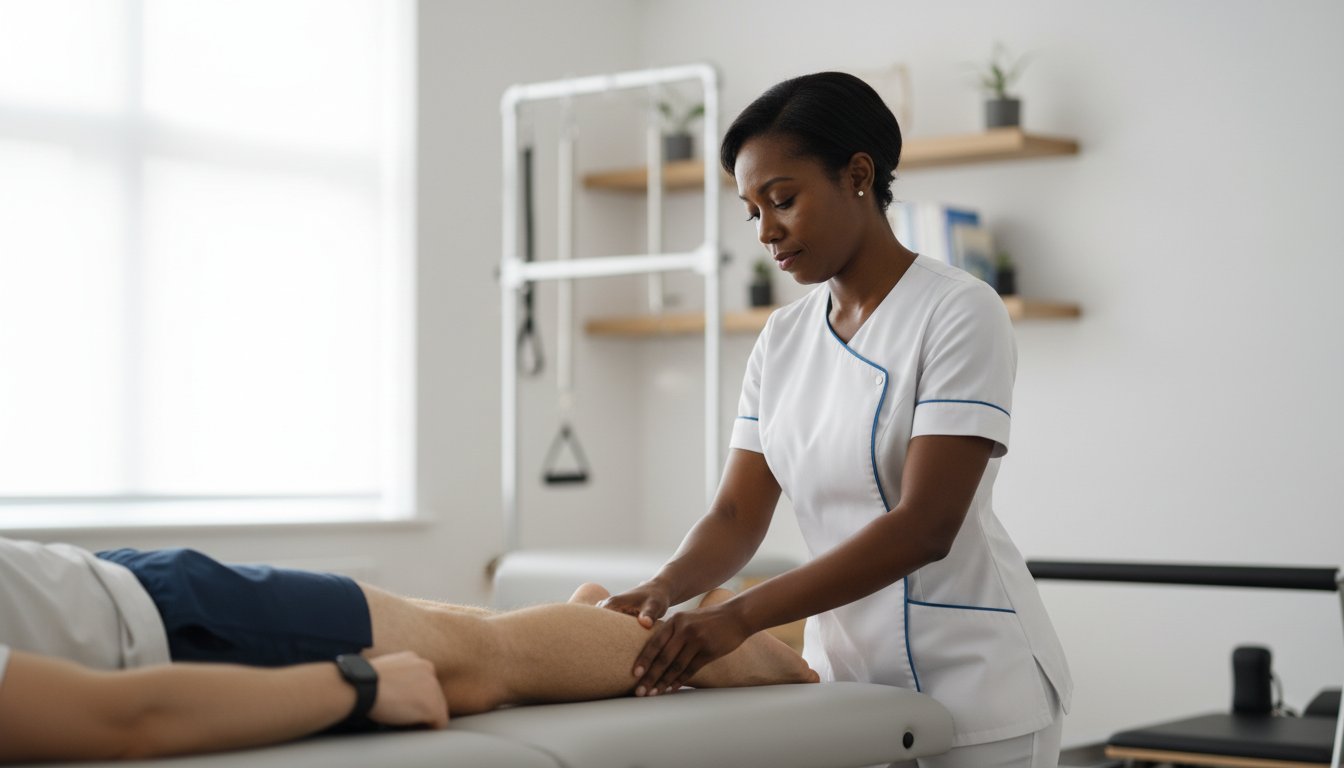
For many active individuals, persistent muscle soreness, stiffness, and slow recovery are accepted as an unavoidable part of training. You may have considered a sports massage but remain unsure of its true purpose. Is it simply a painful deep tissue treatment, an occasional indulgence, or a genuine clinical tool that can address the underlying cause of your discomfort? These valid concerns often prevent people from accessing one of the most effective therapies for maintaining musculoskeletal health and optimising physical output.
This guide is designed to provide clear, expert-led answers. We will explain precisely how a professional sports massage, administered by a qualified physiotherapist, is a targeted medical treatment. You will discover its crucial role in accelerating recovery times, improving flexibility and range of motion, and forming an integral part of a robust injury prevention strategy. Our aim is to demonstrate how this evidence-based therapy can help you restore function, reduce pain, and achieve your performance goals with confidence.
Key Takeaways
- A clinical massage is a targeted medical treatment delivered by a physiotherapist, focusing on specific musculoskeletal issues rather than general relaxation.
- Discover the core benefits for your body, including accelerated recovery, enhanced athletic performance, and robust injury prevention.
- Learn how to strategically integrate a sports massage into your training schedule, as its timing is key for pre-event, post-event, and maintenance care.
- View massage as a proactive tool for maintaining peak condition, helping to prevent injuries before they have a chance to develop.
What is a Clinical Sports Massage (and Who Is It For)?
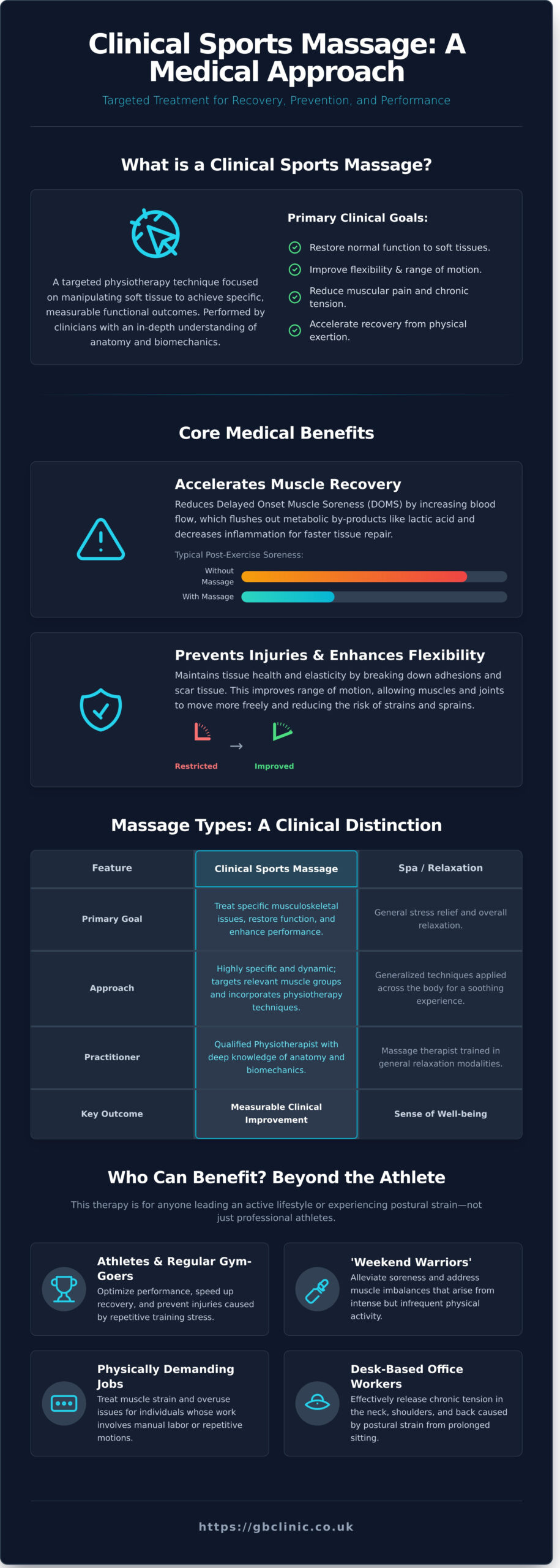
A clinical sports massage is a targeted form of physiotherapy focused on manipulating soft tissue to achieve specific functional outcomes. Unlike a general spa treatment designed for relaxation, this is a therapeutic intervention performed by clinicians with an in-depth understanding of anatomy and biomechanics. The core purpose is to treat the muscles, tendons, and ligaments that support your active lifestyle, helping to prevent injury, restore mobility, and enhance performance. A common misconception is that treatment must be painful to be effective; however, our physiotherapists work with you to ensure the pressure is therapeutic and productive, not simply painful. For a detailed overview of its principles, this resource explains What is Sports Massage in greater depth.
To better understand the targeted nature of these techniques, the video below demonstrates an application for the lower body.
Beyond Relaxation: The Goal-Oriented Approach
A clinical massage is prescribed with clear objectives in mind. It directly addresses muscle imbalances often caused by the repetitive motions inherent in sports, work, or daily activities. While a spa massage aims for overall stress relief, our approach is focused on delivering measurable clinical benefits. The primary goals include:
- Restoring normal function to soft tissues.
- Improving flexibility and range of motion.
- Reducing muscular pain and chronic tension.
- Accelerating recovery from exertion.
Sports Massage vs. Deep Tissue: A Clinical Distinction
While both modalities can involve firm pressure, their application differs significantly. Deep tissue massage typically focuses on releasing chronic tension in the deepest layers of muscle across the body. In contrast, a sports massage is highly specific, targeting the particular muscle groups relevant to your activity or injury. It is a more dynamic treatment, often incorporating assisted stretching, mobilisation, and other physiotherapy techniques to achieve its functional goals.
Are You a Candidate? From Athletes to Office Workers
This therapy is not reserved exclusively for professional athletes. Anyone leading an active life can benefit, from regular gym-goers and ‘weekend warriors’ to individuals with physically demanding jobs. Furthermore, it is highly effective for treating postural strain caused by prolonged periods of sitting. By releasing tension in the neck, shoulders, and back, it can alleviate the chronic discomfort associated with desk-based work.
The Core Medical Benefits of a Professional Sports Massage
A professional sports massage is a targeted clinical treatment designed to produce specific physiological and psychological benefits. Far more than a simple relaxation therapy, it involves the systematic manipulation of soft tissues to support the musculoskeletal system. The core principle lies in enhancing circulation, which increases the delivery of oxygen and vital nutrients to muscle tissues while simultaneously helping to flush out metabolic waste products. This process is fundamental to improving recovery, preventing injuries, and optimising athletic performance. Additionally, the focused treatment can significantly reduce pre-competition anxiety, providing a mental edge.
Accelerating Muscle Recovery and Reducing DOMS
One of the most recognised benefits of a sports massage is its effect on Delayed Onset Muscle Soreness (DOMS)-the characteristic stiffness and pain felt 24-48 hours after strenuous exercise. This discomfort is caused by microscopic muscle tears and inflammation. Massage therapy helps to mitigate this by increasing blood and lymphatic flow, which efficiently removes metabolic by-products like lactic acid and reduces post-exercise inflammation. The result is faster tissue repair, reduced soreness, and a quicker return to training.
Injury Prevention and Enhanced Flexibility
Regular massage therapy plays a crucial role in injury prevention by maintaining the health and elasticity of soft tissues. By applying targeted pressure, a therapist can break down minor adhesions and scar tissue that can restrict movement and lead to injury. The Medical Benefits of Sports Massage are particularly evident in its ability to improve tissue permeability and flexibility. This enhanced range of motion allows muscles and joints to move more freely, reducing the risk of strains and sprains. A skilled practitioner can also identify and treat areas of excessive tightness before they develop into more serious problems.
Pain Management and Functional Improvement
For athletes dealing with chronic aches or specific injuries, massage is a powerful tool for pain management. It directly alleviates tension in overworked muscles and can release trigger points-small, hyper-irritable knots in the muscle that often refer pain to other areas of the body. By deactivating these points, a therapist can provide significant and immediate pain relief. For this reason, it is often a key component of a comprehensive physiotherapy plan, helping to restore normal muscle function and improve overall mobility for a lasting recovery.
What to Expect During Your Sports Massage Appointment at Our Clinic
Understanding the process of a clinical sports massage can help alleviate any uncertainty and ensure you get the most from your session. At GB Clinic, we provide a structured, professional experience designed to address your specific musculoskeletal needs from the moment you arrive. Your treatment is always delivered by a qualified physiotherapist in a clinical environment, prioritising your comfort, safety, and recovery goals.
Constant communication is central to our approach. We encourage you to provide feedback on pressure and sensation throughout the session to ensure the treatment is both effective and comfortable.
The Initial Assessment: More Than Just a Massage
Your appointment begins with a detailed consultation. This is a crucial step where you and your physiotherapist will discuss your activity levels, training schedule, specific pain points, and what you aim to achieve. Following this discussion, we conduct a postural and movement assessment to identify any imbalances or restrictions that may be contributing to your issue. For complex or persistent cases, a diagnostic ultrasound scan can be used to provide a highly precise diagnosis of soft tissue injuries, allowing for an exceptionally targeted treatment plan.
Key Techniques Used by Our Physiotherapists
Our physiotherapists are trained in a wide array of advanced manual therapy techniques. During your session, they may use a combination of methods tailored to your needs, including:
- Effleurage and Petrissage: Foundational strokes used to warm up muscle tissue, improve circulation, and release general tension.
- Friction: A deeper, more focused technique applied to specific areas to break down scar tissue and adhesions.
- Soft Tissue Release (STR): An advanced technique that involves applying precise pressure while moving a muscle through its range of motion to release localised tightness.
- Stretching: Integration of active and passive stretching to improve flexibility and restore mobility.
The clinical application of these techniques is a key component of modern Sports Performance and Rehabilitation, helping to accelerate recovery and enhance physical function.
Aftercare Advice for Maximising Your Results
Your recovery continues after you leave the clinic. To enhance the benefits of your treatment, your physiotherapist will provide clear aftercare instructions. This typically includes:
- Hydration: Drinking plenty of water helps to flush metabolic waste released from the muscle tissue during the massage.
- Gentle Movement: Light activity, such as walking or gentle stretching, can help maintain mobility and prevent stiffness.
- Managing Soreness: It is normal to experience some mild muscle soreness for 24-48 hours post-treatment. This is a sign that the tissues are responding and beginning to heal.
Following this guidance will help ensure you achieve the best possible outcome from your sports massage. To book your appointment, please contact our clinic today.
Integrating Sports Massage into Your Health and Training Plan
Effective integration of sports massage into a training regimen transforms it from a reactive treatment into a proactive strategy for optimising performance and preventing injury. Rather than waiting for pain to arise, it can be used to maintain musculoskeletal health and prepare the body for physical demands. Understanding how to time these sessions and combine them with other therapies is key to unlocking their full potential.
Strategic Timing: Pre-Event, Post-Event, and Maintenance
The application and goals of a sports massage change significantly depending on its timing relative to physical activity.
- Pre-Event Massage: Typically a short, stimulating session performed shortly before competition. The aim is to increase blood flow, warm up muscles, and improve neurological firing patterns to prepare the body for peak performance.
- Post-Event Massage: A calming session focused on recovery. It helps to reduce muscle soreness, flush metabolic waste products, and relax the nervous system, kick-starting the body’s natural repair processes.
- Maintenance Massage: Regular, ongoing sessions designed to identify and treat developing imbalances, reduce chronic muscle tension, and maintain tissue health to prevent injuries from occurring.
A Component of Comprehensive Rehabilitation
For those recovering from injury, sports massage is a vital tool within a multi-faceted treatment plan. It works synergistically with other therapies to accelerate healing. By reducing muscular tension and improving local circulation, it can prepare soft tissues for other interventions like joint mobilisation or targeted strengthening exercises. This makes it an effective component of a wider physiotherapy programme, helping to restore function and reduce pain more efficiently.
How Often Should You Get a Sports Massage?
The ideal frequency is determined by your activity level, goals, and current physical condition. As a clinical guide, we recommend the following schedules:
- For Intense Athletes: Weekly or bi-weekly sessions are often beneficial during peak training seasons to manage high physical loads and enhance recovery.
- For Active Individuals: A session once or twice a month is typically sufficient to maintain tissue health, address minor aches, and prevent overuse injuries.
- For Specific Injury Rehabilitation: The frequency will be determined by your physiotherapist as part of a structured treatment plan, often beginning more frequently and tapering as recovery progresses.
To develop a treatment plan tailored to your specific needs, consult with our clinical specialists. We can help integrate massage and other advanced therapies to help you achieve your health and performance goals.
Unlock Your Potential with Clinical Sports Massage
As we have explored, a professional sports massage is far more than a simple relaxation treatment; it is a clinical tool designed to accelerate recovery, enhance athletic performance, and prevent injury. By addressing muscle tension and improving circulation at a deeper level, it forms a crucial part of any dedicated health and training regimen, helping you maintain long-term musculoskeletal wellness.
At GB Clinics, our treatments are delivered as part of a comprehensive, goal-oriented recovery plan. Each session is performed by a qualified and experienced MSK physiotherapist, who can integrate advanced diagnostics to ensure your treatment is precise, targeted, and effective for your specific condition.
If you are ready to reduce pain and improve your physical resilience, we invite you to take the next step. Book a consultation with our expert physiotherapists in Oxford and let us create a personalised plan to help you achieve your peak potential. Your path to a stronger, pain-free performance starts here.
Frequently Asked Questions About Sports Massage
How is a sports massage clinically different from a deep tissue massage?
While both massage types address deeper muscle layers, their clinical application differs. A deep tissue massage focuses broadly on relieving chronic muscle tension throughout the body. In contrast, a sports massage is highly targeted, designed to address the specific musculoskeletal demands of an activity. It incorporates techniques like stretching and joint mobilisation to prevent injury, enhance performance, or support a rehabilitation programme. The approach is tailored to your specific athletic goals and physical condition.
Do I have to be an athlete to benefit from a sports massage?
No, you do not need to be a professional athlete. This therapeutic massage is beneficial for anyone with an active lifestyle or a physically demanding job that causes muscular strain. Whether you are a regular gym-goer, a weekend walker, or work in a role that involves repetitive movements, this treatment can help alleviate muscle soreness, improve flexibility, and address specific areas of tension. It is a functional treatment focused on restoring musculoskeletal health.
Will a sports massage be painful?
A sports massage targets areas of muscle tension and adhesion, which can cause some discomfort, often described as a “good pain.” However, it should not be excessively painful. Our clinical specialists are trained to work within your comfort threshold and will communicate with you throughout the session to ensure the pressure is appropriate and effective. The goal is therapeutic release, not to cause distress. Any discomfort experienced during treatment typically subsides quickly, leading to significant relief.
What should I do to prepare for my sports massage appointment?
To maximise the benefits of your session, we recommend arriving well-hydrated, as this helps with muscle pliability and post-treatment recovery. Avoid eating a large meal within an hour of your appointment. It is also helpful to have a clear idea of any specific areas of pain, stiffness, or performance goals you wish to address. This allows your therapist to create a focused, effective treatment plan tailored precisely to your needs for optimal results.
How long will the benefits of a sports massage last?
The duration of benefits varies depending on your activity level, the nature of your condition, and your overall physical state. Many individuals experience immediate relief from muscle soreness and improved flexibility that can last for several days to a week. For long-term results and injury prevention, we typically recommend a consistent treatment plan. Your therapist will provide a professional recommendation for session frequency based on your clinical assessment and personal goals to help you maintain optimal function.
Can sports massage help with specific conditions like shin splints or tennis elbow?
Yes, a sports massage can be a highly effective component of a comprehensive treatment plan for conditions like shin splints and tennis elbow. By targeting the specific muscles and connective tissues involved, the massage helps to reduce tension, break down scar tissue, and improve circulation to the affected area. This targeted approach can significantly reduce pain, restore mobility, and accelerate the body’s natural healing and recovery processes when guided by a clinical specialist.