
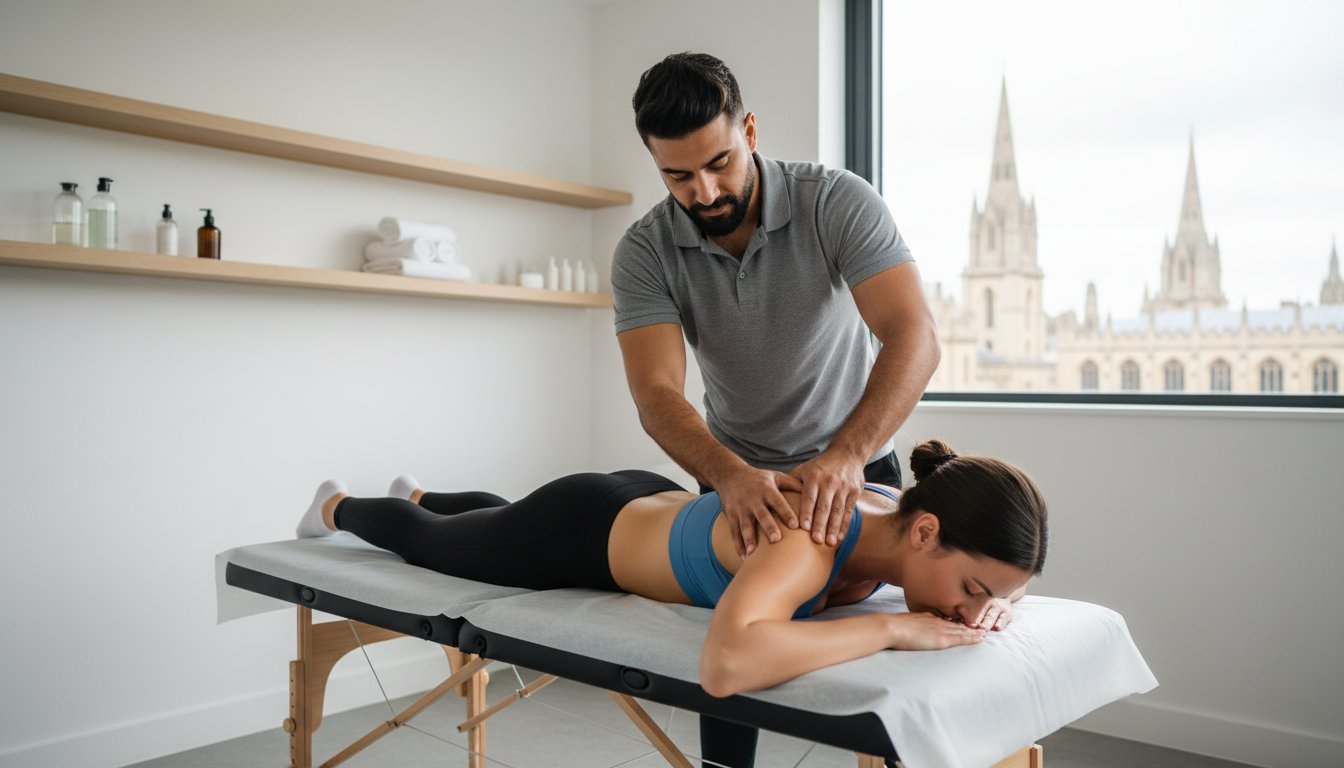
Persistent muscle pain and recurring sports injuries can be a source of constant frustration, especially when generic treatments fail to address the underlying issue. For many seeking effective massage in Oxford, the path to recovery is often unclear, caught between the temporary relief of a spa massage and the need for a genuine clinical solution. This confusion can delay proper healing and prolong discomfort, limiting both your athletic performance and daily activities.
This 2026 specialist guide is designed to provide clarity and a clear direction for your recovery. Here, we will explore the significant medical benefits of clinical and sports massage therapy. You will learn how our evidence-based approach to soft tissue manipulation can precisely target the source of your pain, reduce inflammation, and significantly improve your range of motion. We will explain how a structured treatment plan, integrated with other musculoskeletal therapies, offers a definitive route to restoring function and achieving long-term relief.
Key Takeaways
- Learn to distinguish between general relaxation and a clinical massage in Oxford, which is a targeted medical treatment for specific pain and injury.
- Discover how therapeutic techniques like deep tissue work are used to break down painful adhesions and scar tissue, directly improving your range of motion.
- Understand the science of how professional soft tissue manipulation can modulate your body’s pain signals to accelerate recovery.
- For the most effective recovery, see how massage is integrated with other advanced MSK treatments as part of a complete clinical strategy.
What is Clinical Massage? Defining Therapeutic Bodywork in Oxford
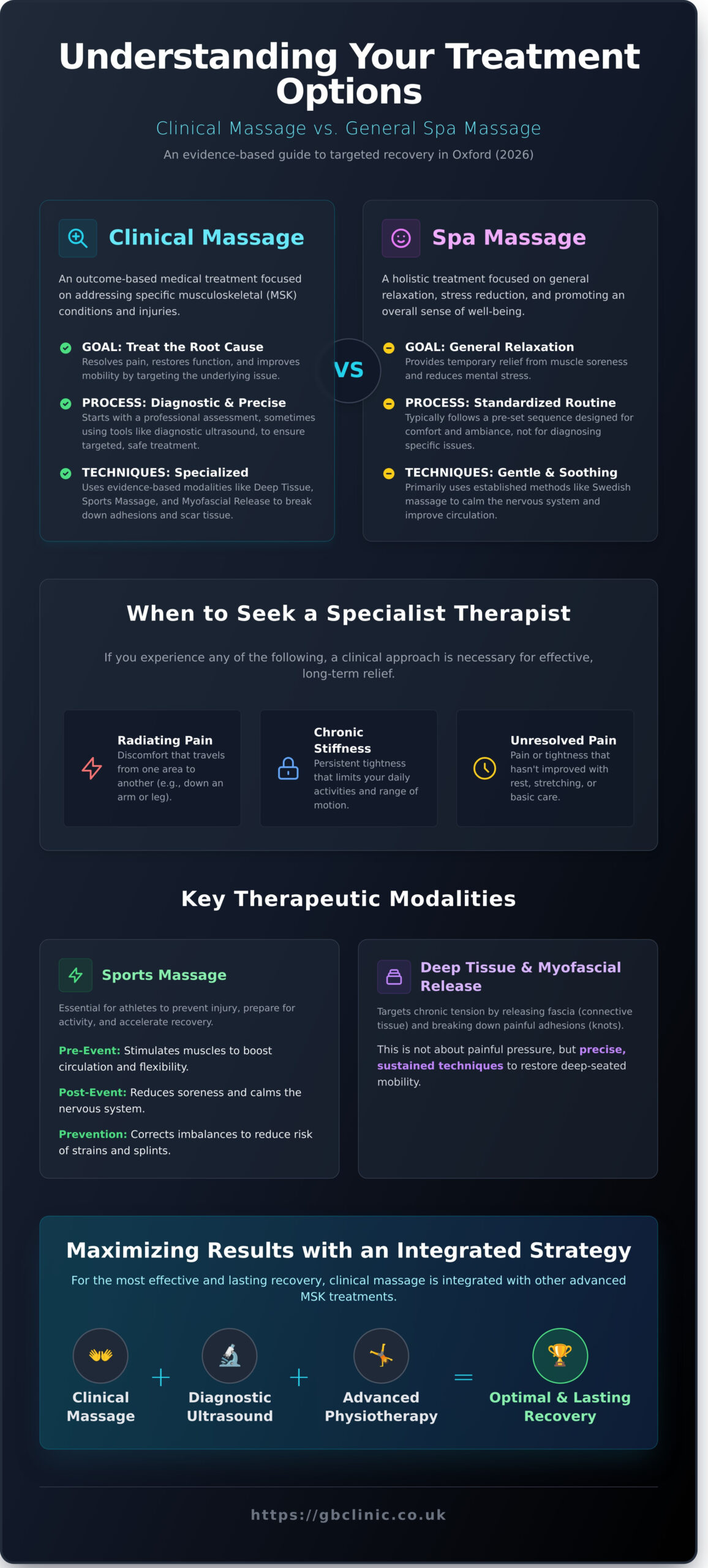
Unlike a general relaxation treatment you might find at a spa, clinical massage is an outcome-based therapy focused on treating specific musculoskeletal (MSK) conditions. This approach, often referred to as medical massage, moves beyond simple stress relief to address the underlying cause of pain, dysfunction, or limited mobility. In a city like Oxford, common triggers for seeking this specialised care include repetitive strain from rowing, postural issues from long hours at a desk, or running-related injuries.
This video helps to explain the differences between common types of therapeutic massage:
Clinical vs. Holistic: Choosing the Right Treatment
Choosing between a clinical setting and a spa is about more than ambiance; it is about safety and effectiveness. A specialist MSK clinic provides a higher standard of care, beginning with a professional assessment to understand your condition before any soft tissue work begins. For complex issues, advanced tools like diagnostic ultrasound scans can be used to pinpoint the exact source of pain, ensuring your treatment is targeted correctly and safely from the very first session.
When to Seek a Specialist Massage Therapist
While general muscle soreness can benefit from many types of massage, certain symptoms require clinical attention. This is particularly true for the “Oxford office syndrome”-the persistent neck, shoulder, and back pain resulting from prolonged desk work. If you are looking for effective therapeutic massage oxford, consider if you are experiencing any of the following:
- Pain that radiates from one area to another (e.g., down your arm or leg)
- Chronic stiffness that limits your daily movement
- Pain or tightness that has not resolved with rest or basic stretching
- Discomfort that interferes with your work, sport, or sleep
- A need for soft tissue therapy as part of post-surgical recovery
Key Therapeutic Modalities: From Sports Massage to Myofascial Release
Therapeutic massage is a clinical discipline that utilises specific, evidence-based techniques to address musculoskeletal (MSK) dysfunction. Unlike a generalised spa treatment, a therapeutic massage is tailored precisely to your anatomy, condition, and recovery goals. The Medical Benefits of Professional Massage are widely recognised for managing pain and improving physical function, forming a key part of modern physiotherapy. At our clinic, our specialists select from a range of modalities to break down adhesions, release chronic tension, and restore pain-free movement.
Sports Massage for Performance and Injury Prevention
Sports massage is an essential tool for anyone active, from elite athletes to recreational runners and cyclists. It is applied systematically to help prevent injuries, prepare the body for athletic activity, and maintain it in optimal condition. The techniques are designed to support a swift recovery from the stresses of exertion.
- Pre-Event Massage: A stimulating treatment used to boost circulation and improve muscle flexibility before a competition or event.
- Post-Event Massage: A recovery-focused approach that helps reduce muscle soreness, flush metabolic waste, and calm the nervous system.
- Injury Prevention: Regular treatments can identify and correct imbalances, reducing the risk of common issues like calf strains, shin splints, and hamstring tension.
Deep Tissue and Myofascial Release for Chronic Tension
Many chronic pain conditions are linked to fascia, the web of connective tissue that surrounds every muscle and organ. When this tissue becomes tight or restricted, it can cause deep-seated pain and limit mobility. Myofascial release uses slow, sustained pressure to gently stretch and release this tension. Similarly, deep tissue massage targets the deeper layers of muscle to break down scar tissue and adhesions (knots). When seeking a deep tissue massage Oxford clinics provide, it is important to know that an expert practitioner works with precision; the goal is effective release, not excessive pain. This targeted approach is fundamental to resolving long-term patterns of tension and restoring full range of motion.
The Science of Recovery: Medical Benefits of Professional Massage
While many associate massage with relaxation, a clinical therapeutic massage is a targeted medical intervention designed to produce specific physiological changes. The professional manipulation of soft tissues-including muscles, tendons, and ligaments-initiates a cascade of benefits that are essential for effective recovery from injury, management of chronic pain, and maintenance of musculoskeletal health. The advanced therapeutic massage Oxford residents can access at our clinic is grounded in this evidence-based approach.
Reducing Inflammation and Improving Circulation
Following an injury or intense physical exertion, tissues can become starved of oxygen and nutrients. Manual therapy techniques systematically increase blood flow to these affected areas, flushing them with oxygenated blood. This process is a core component of what clinical studies refer to as The Science of Recovery, as it helps reduce localised swelling and accelerates tissue repair. Clinical massage facilitates the delivery of vital nutrients to damaged fibers, significantly shortening the inflammatory phase of healing.
Neurological Impact: Managing Pain and Stress
Therapeutic massage directly influences the nervous system to manage pain. It operates on the “gate control theory,” where the sensation of touch from the massage travels to the brain faster than pain signals, effectively “closing the gate” on the perception of pain. Furthermore, targeted touch activates the parasympathetic nervous system-the body’s “rest and digest” state. This response lowers levels of the stress hormone cortisol, which not only reduces mental stress but can also improve physical recovery times. For individuals with chronic musculoskeletal conditions, this professional care provides both physical relief and significant psychological support.
The link between chronic pain and mental well-being is well-documented. For those exploring the psychological aspects of recovery, resources that specialize in this area can be invaluable. As an example of a dedicated mental health treatment provider, further information is available at safeharborbh.com.
This dual-action approach also addresses long-term health. By promoting lymphatic drainage, massage helps clear metabolic waste products from muscle tissue, preventing soreness and fatigue. Regular treatment improves tissue elasticity, ensuring muscles and connective tissues remain pliable and resilient. This is crucial for maintaining full range of motion and protecting long-term joint health, forming a key part of a preventative care strategy.
Maximizing Results: Combining Massage with Advanced MSK Treatments
While an expert therapeutic massage provides significant relief from muscular pain and tension, its true potential is unlocked when integrated into a comprehensive musculoskeletal (MSK) treatment plan. For complex or degenerative conditions such as osteoarthritis, massage alone may only offer temporary symptomatic relief. At GB Clinic, we provide a one-stop setup where your treatment works in concert with advanced diagnostics and specialist care for lasting recovery.
Massage and Physiotherapy: A Synergistic Approach
A successful recovery combines releasing tension with building strength. Massage therapy prepares the body for rehabilitation by reducing muscle tightness and improving tissue flexibility, making it an essential component of our private physiotherapy in Oxford services. This allows patients to engage more effectively with their prescribed exercises. Our massage therapists and physiotherapists collaborate closely, ensuring your treatment plan is cohesive and your progress is consistently monitored.
Pre- and Post-Injection Support (HA and Steroids)
Manual therapy also plays a crucial supportive role alongside our advanced injection treatments. Soft tissue work can help prepare the joint environment before Hyaluronic Acid injections by easing surrounding muscle guarding. Following a guided steroid injection, once initial inflammation has subsided, massage helps maintain mobility and prevent stiffness, maximising the treatment’s benefits.
Guidance on Timing:
- Pre-Injection: Massage is often beneficial right up to the day before your procedure.
- Post-Injection: We typically advise waiting 7-10 days before receiving a massage directly over the treated area. This allows the medication to settle and any local tenderness to resolve. Always follow the specific advice of your clinician.
By combining the therapeutic massage Oxford residents trust with evidence-based clinical treatments, we help you achieve a more complete and durable recovery. To understand how our integrated approach can help you, we invite you to explore our full range of MSK services.
Clinical Excellence at GB Clinic: Your Trusted Oxford Partner
While many providers offer massage, GB Clinic delivers a fundamentally different approach rooted in clinical expertise and a patient-first philosophy. We are not a spa; we are a dedicated musculoskeletal (MSK) centre focused on delivering measurable, long-term results. Our modern, evidence-based environment is staffed by a team of highly qualified specialists committed to understanding and resolving the root cause of your discomfort.
Conveniently located in Oxford, our clinic is an accessible hub for local residents and professionals seeking effective relief from pain and mobility issues. Our entire care model is built on a clear “Problem/Solution/Benefit” framework. We identify the specific issue causing your pain, apply a targeted treatment like therapeutic massage, and work towards the clear benefit of restored function and a pain-free life.
Expert-Led Assessments and Individualised Care
Your first consultation at our Oxford clinic involves a comprehensive assessment with an MSK specialist. We listen carefully to your history and symptoms before conducting a thorough physical evaluation. Where necessary, we use advanced diagnostics like ultrasound scans to ensure your treatment targets the precise area of concern. This clinical precision ensures every therapeutic massage oxford residents receive from us is part of a structured, effective recovery plan. Our patients consistently describe our atmosphere as “calming and professional,” allowing you to feel confident and at ease from the moment you arrive.
Booking Your Consultation in Oxford
Taking the first step towards recovery is straightforward and without obligation. We offer an initial consultation with zero commitment, allowing you to discuss your concerns with an expert and understand your treatment options. As a fully integrated “one-stop” MSK facility, we provide a seamless patient journey with physiotherapy, advanced diagnostics, and specialist treatments all available under one roof. Stop searching for a generic massage oxford service and invest in your long-term health with a clinical, results-driven approach.
Book your clinical assessment at GB Clinic Oxford today and begin your journey towards lasting relief.
Begin Your Recovery with Expert-Led Massage in Oxford
As we have explored, clinical and sports massage are far more than relaxation techniques; they are evidence-based medical treatments vital for managing pain and accelerating recovery. The most effective results are achieved when therapeutic bodywork is part of a comprehensive, integrated treatment plan. For those seeking specialist massage oxford offers, choosing a clinic that combines this with advanced musculoskeletal care is key to achieving lasting relief.
At GB Clinic, we provide this expert-led, one-stop setup. Our highly rated practitioners integrate physiotherapy and massage with advanced MSK diagnostics, including ultrasound-guided injections, to create a seamless and effective recovery pathway. Take the first step towards restoring your mobility and comfort. Book your FREE personal physiotherapy consultation in Oxford today and let our team guide you towards a pain-free future.
Frequently Asked Questions
How often should I get a sports massage in Oxford for optimal recovery?
The ideal frequency for a sports massage depends on your training volume and specific goals. For athletes undergoing intensive training or preparing for an event, one to two sessions per week can significantly aid recovery and prevent injury. For general maintenance and to address minor muscular tension, a session every two to four weeks is typically sufficient. Our physiotherapists can create a personalised treatment schedule based on your individual needs and activity level.
Is clinical massage painful, and what should I expect during the session?
Clinical massage targets sources of chronic pain and dysfunction, which can sometimes cause discomfort as the therapist works on tight or injured tissues. However, our practitioners are highly skilled and will communicate with you throughout the session to work within your tolerance. The objective is therapeutic relief, and any temporary discomfort is a necessary step towards reducing long-term pain, restoring mobility, and promoting effective healing.
What is the main difference between deep tissue massage and sports massage?
While both massages use firm pressure, their focus differs. Deep tissue massage is a broad treatment designed to relieve severe tension in the deeper layers of muscle and connective tissue across the entire body. In contrast, a sports massage is highly targeted, focusing on specific muscle groups relevant to an athlete’s activity. It often incorporates stretching and is adapted for pre-event, post-event, or maintenance purposes to enhance performance and recovery.
Can therapeutic massage help with chronic lower back pain or sciatica?
Yes, therapeutic massage is a highly effective component of a treatment plan for chronic lower back pain and sciatica. By applying targeted techniques, our therapists can release tension in muscles that may be contributing to the pain, such as the piriformis or gluteal muscles. This reduces nerve compression, alleviates muscle spasms, improves circulation to the affected area, and ultimately helps to reduce pain and restore function.
Do I need a GP referral to book a clinical massage at GB Clinic?
No, a referral from your GP is not required to book a clinical or therapeutic massage at our clinic. You can book an appointment with us directly. We begin every new patient relationship with a comprehensive initial assessment to diagnose your condition accurately and determine the most effective treatment plan for your specific musculoskeletal needs. This ensures you receive appropriate and targeted care from your very first visit.
What should I wear to my sports massage or physiotherapy appointment?
We recommend wearing loose, comfortable clothing that allows for easy movement. Items such as shorts, leggings, or athletic trousers and a t-shirt or vest are ideal. This ensures your therapist can easily access the areas requiring treatment and allows you to comfortably perform any movements or stretches that may be part of your session. Your comfort and the effectiveness of the treatment are our primary concerns.
How soon can I exercise after receiving a deep tissue massage?
We generally advise waiting at least 24 hours before engaging in strenuous exercise after a deep tissue massage. This allows your muscles time to recover from the intensive work and helps to prevent potential strain or injury. Light activity such as walking is acceptable. It is also crucial to stay well-hydrated by drinking plenty of water after your session to help flush metabolic waste from your tissues and aid the recovery process.
Is massage therapy covered by private health insurance in the UK?
Coverage for massage therapy varies significantly between different private health insurance providers and policies in the UK. Many insurers will cover treatments when they are administered by a chartered physiotherapist as part of a prescribed recovery plan. We strongly recommend you contact your insurance provider directly to confirm the specifics of your coverage before beginning treatment. Our administrative team can provide any necessary documentation for your claim.