
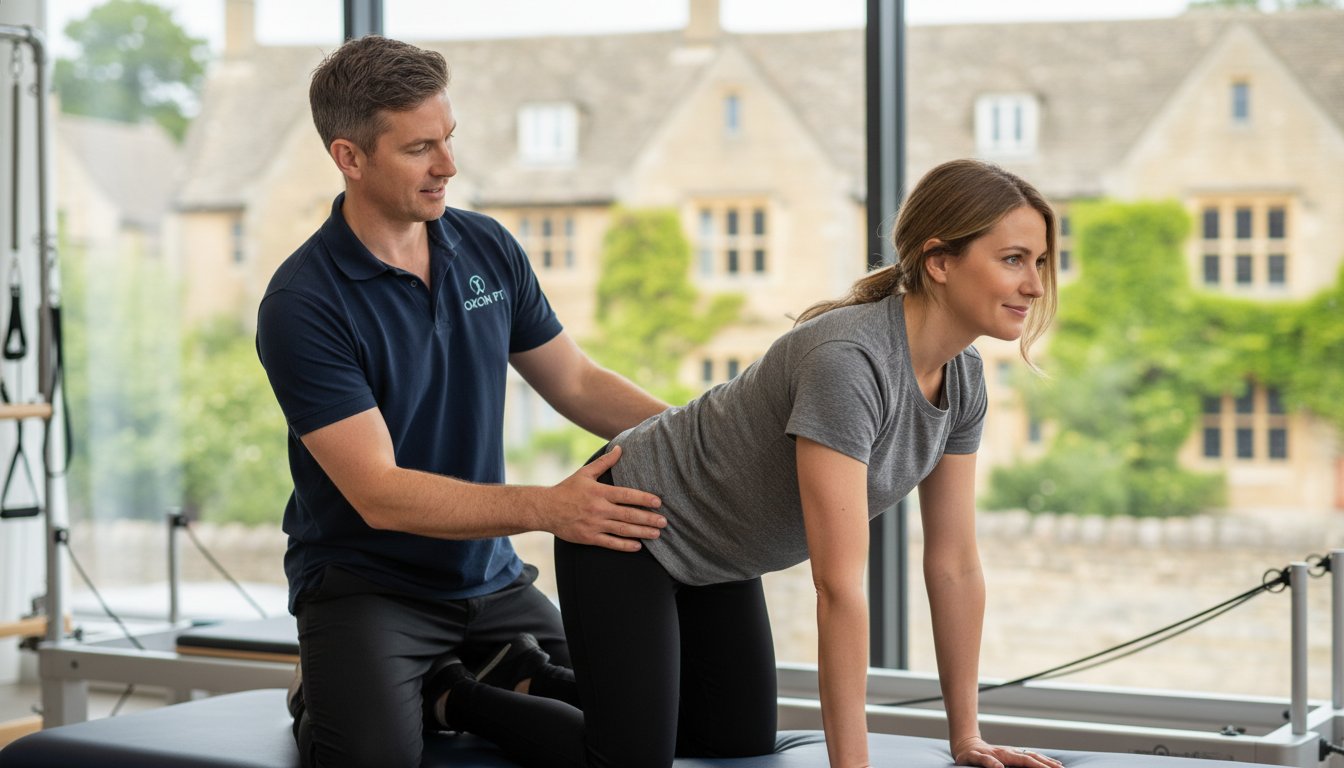
Research indicates that conservative management, including specialized clinical care, is successful in 90% of coccydynia cases. If you find it impossible to sit through a workday or experience sharp pain when standing up, you’ve likely realized that “rest and ice” isn’t enough. Seeking professional physiotherapy for coccyx pain Oxford is the most effective way to identify the root cause of your discomfort rather than just masking the symptoms. We understand the frustration of limited mobility, especially when it affects your ability to drive from Abingdon or Witney or work effectively in Central Oxford.
Our expert-led approach focuses on providing lasting relief through advanced musculoskeletal treatments. We offer a clear path to recovery for patients across Oxfordshire, including those in Summertown, Headington, and Kennington. By utilizing evidence-based methods such as manual therapy, shockwave therapy, and myofascial release, we help you return to a comfortable, mobile state. This guide details the specialized interventions available at our clinics, which are easily accessible from Marcham, Farmoor, Eynsham, Didcot, West Oxford, and Faringdon. You’ll discover how our diagnostic tools and tailored rehabilitation plans ensure you don’t have to live with tailbone pain any longer.
Key Takeaways
- Identify the specific biomechanical triggers, such as gluteal imbalances and ligament strain, that often cause standard “rest and ice” protocols to fail.
- Explore the benefits of clinical interventions like manual therapy and myofascial release as part of specialized physiotherapy for coccyx pain Oxford.
- Gain insight into how on-site MSK diagnostics provide a clear assessment of the pelvic region to ensure a targeted and effective path to recovery.
- Learn about the convenient accessibility of expert care for patients traveling from surrounding Oxfordshire hubs like Abingdon, Witney, and Didcot.
- Understand why a professional, expert-led approach is necessary to transition from chronic discomfort to functional, pain-free sitting and movement.
Table of Contents
- Understanding Coccyx Pain: Why Oxford Residents Seek Specialized Physiotherapy
- The Biomechanics of Tailbone Pain: Why Your Current Relief Strategy May Fail
- Advanced Treatment Options for Coccyx Pain in Oxfordshire
- Accessible Care: Your Path to Tailbone Recovery Across Oxfordshire
- Why Choose GB Clinic for Coccyx Physiotherapy in Oxford?
Understanding Coccyx Pain: Why Oxford Residents Seek Specialized Physiotherapy
Coccydynia is a medical term used to describe localized discomfort within the tailbone structure, the small triangular bone at the base of the spinal column. For many residents across Oxfordshire, this condition presents as a persistent, debilitating ache that interferes with basic daily functions. While the coccyx is small, it serves as a critical attachment point for various muscles and ligaments. When these structures become inflamed or misaligned, the resulting pain can feel disproportionately intense. Clinical data suggests that this condition is five times more common in women than men, often linked to anatomical differences in the pelvis or trauma during childbirth.
Common triggers for this discomfort include sudden falls onto hard surfaces, repetitive strain from cycling, or prolonged sitting on poorly designed office chairs. However, some patients experience “silent” causes where the pain is actually referred from the lower back or pelvic floor rather than a direct injury to the bone itself. Many people initially consult their GP and receive general advice to use a cushion or take over-the-counter anti-inflammatories. When these generic solutions fail to provide lasting relief, seeking specialized physiotherapy for coccyx pain Oxford becomes the necessary next step for a definitive diagnosis.
To better understand the mechanics of this condition and how movement can help, watch this helpful video:
Key Symptoms of Coccydynia
Recognizing the specific patterns of tailbone discomfort is essential for an accurate clinical assessment. Patients typically report a dull, localized achiness while seated that transitions into a sharp, stabbing sensation the moment they attempt to stand up. This “sit-to-stand” transition is often the most painful part of the day. Other common symptoms include:
- Localized tenderness when pressure is applied directly over the tailbone area.
- Increased discomfort during bowel movements or during physical activity that puts pressure on the pelvic region.
- A persistent heavy feeling in the lower pelvis that makes it difficult to find a comfortable position.
Why a Local Specialist Assessment Matters
Effective treatment requires a clear distinction between structural damage to the bone and tension within the surrounding soft tissues. An MSK expert at a local clinic can perform a physical examination to determine if the issue is a hypermobile coccyx, muscular guarding, or nerve irritation. Residents in Abingdon, Witney, and Didcot often find that local private clinics offer significantly faster access to these specialized assessments than general healthcare pathways. By visiting a specialist near Central Oxford or Summertown, you can bypass long waiting lists and start a targeted recovery plan immediately. Our network is designed to be accessible for those living in Kennington, Marcham, or Eynsham. Whether you are commuting from Headington, Farmoor, or West Oxford, our clinics provide a convenient clinical setting to address your pain. Patients in Faringdon also benefit from our regional expertise, ensuring that high-quality physiotherapy for coccyx pain Oxford is never out of reach.
The Biomechanics of Tailbone Pain: Why Your Current Relief Strategy May Fail
The coccyx is far more than a vestigial remnant of a tail. It’s a functional hub that serves as a critical anchor for the pelvic floor muscles and various sacrotuberous ligaments. When you experience discomfort in this region, it’s rarely an isolated issue with the bone itself. Instead, the pain is often the result of a mechanical tug-of-war between the surrounding structures. While many patients assume a sharp, localized sensation indicates a fracture or “broken” bone, clinical evidence suggests most chronic cases involve mechanical dysfunction. If the sacroiliac joint lacks stability, the coccyx often compensates by shifting its position to manage the load of your body weight. This is why generic advice to simply “rest” often fails; it doesn’t address the underlying structural instability.
Obesity is a documented risk factor for developing coccydynia because it increases intrapelvic pressure during sitting. This extra load stresses the delicate ligaments that hold the tailbone in place. For residents seeking physiotherapy for coccyx pain Oxford, understanding these forces is the first step toward recovery. Patients from Central Oxford and Headington often arrive after months of self-treatment, only to find that their pain is driven by these complex biomechanical shifts rather than a simple bruise.
The Glute-Coccyx Connection
The gluteus maximus is the largest muscle in the body and attaches directly to the lateral borders of the coccyx. If you have a muscular imbalance, one side of your glutes may pull harder than the other, effectively “tugging” the tailbone out of its neutral alignment. This tension often creates myofascial trigger points that refer pain directly to the pelvic base. You might find that stretching provides temporary relief, but it won’t resolve the issue if the muscle is chronically shortened or overactive. A thorough biomechanical assessment can help you understand these hidden drivers and why your current routine hasn’t provided lasting results.
When Cushions and Rest Aren’t Enough
Many individuals in Abingdon, Witney, and Didcot rely on ergonomic wedge cushions to manage their symptoms. While these tools reduce direct pressure, they don’t fix the “why” behind the sensitivity. Relying solely on cushions can lead to compensatory movement patterns, such as leaning to one side while sitting or standing. Over time, this shift creates secondary issues in the hips and lower back. Professional intervention is necessary to retrain these patterns and restore proper tailbone positioning. Our clinical team provides this expert-led care to patients across Oxfordshire, ensuring easy access for those in Summertown, Kennington, and Marcham. Whether you’re traveling from Farmoor, Eynsham, Faringdon, or West Oxford, we focus on long-term correction rather than temporary fixes.
Advanced Treatment Options for Coccyx Pain in Oxfordshire
Many local providers focus solely on general pelvic floor strengthening. While these exercises are useful, chronic tailbone discomfort often requires a more sophisticated clinical approach. Effective physiotherapy for coccyx pain Oxford involves combining specialized manual techniques with modern technology to address both soft tissue tension and joint inflammation. This comprehensive strategy ensures that residents from Abingdon to Witney receive care that goes beyond basic stretching and general advice. We focus on the mechanical “shift” of the coccyx bones, providing a level of detail that generic sessions often overlook.
Manual Therapy and Myofascial Release
Specialized manual therapy is a cornerstone of our clinical practice. Our practitioners use gentle mobilization techniques to improve the alignment of the coccyx relative to the sacrum. This isn’t about forceful adjustments; it’s a measured process of restoring natural movement to the joint. Complementing this, myofascial release targets the dense connective tissue surrounding the tailbone. By releasing tension in the pelvic floor and gluteal attachments, we reduce the constant “pull” on the bone that causes sitting to be so painful. For patients in Summertown or Kennington, these sessions provide an immediate reduction in the sharp sensations felt when standing up.
Clinical Interventions: Shockwave and Injections
When conservative manual methods aren’t enough, we utilize advanced medical technology to accelerate the recovery process. Extracorporeal Shockwave Therapy (ESWT) is particularly effective for chronic ligamentous pain. It delivers high-energy sound waves to the affected area, stimulating blood flow and triggering the body’s natural repair mechanisms. This is a non-invasive alternative for those in Didcot or Headington who have struggled with long-term symptoms without success. It’s an efficient way to treat stubborn injuries without the need for surgery.
In cases of severe, localized inflammation, we provide targeted medical interventions to break the pain cycle:
- Guided Steroid Injections: These deliver potent anti-inflammatory medication directly to the source of pain under ultrasound guidance, ensuring maximum precision for residents in Marcham and Farmoor.
- Hyaluronic Acid Injections: These act as a lubricant and shock absorber for the joint, making them an excellent choice for joint-related coccyx issues.
Accessing these modern treatments shouldn’t be a difficult journey. Our clinics are strategically placed to serve the entire region, including Eynsham, Faringdon, and West Oxford. By offering on-site diagnostics and advanced therapies in one location, we eliminate the delays found in traditional healthcare routes. Patients in Central Oxford can expect an efficient, results-oriented experience tailored to their specific biomechanical needs.
Accessible Care: Your Path to Tailbone Recovery Across Oxfordshire
Finding specialized clinical care shouldn’t involve a stressful commute. For many, the search for effective physiotherapy for coccyx pain Oxford ends when they realize that expert-led musculoskeletal services are available right here in the heart of the county. We’ve positioned our clinics to ensure that high-quality, evidence-based treatment is accessible to everyone, regardless of which Oxfordshire town they call home. Our environment is designed to be calm and professional, providing a clear path to recovery without the delays often associated with general health services. By focusing on regional authority and clinical excellence, we help you transition from persistent discomfort to a state of physical restoration.
Serving Our Local Oxfordshire Communities
Our central location makes us the convenient choice for those living or working in Central Oxford and Summertown. We recognize that tailbone discomfort makes long journeys difficult, so we’ve ensured easy travel links for patients coming from surrounding hubs. Whether you’re traveling from the south in Abingdon, Kennington, or Didcot, or coming from the west in Witney and Faringdon, our clinics are straightforward to reach. We also regularly support residents from Headington, West Oxford, and Marcham, as well as those in more rural areas like Farmoor and Eynsham. By serving these diverse communities, we ensure that specialized musculoskeletal expertise remains a local resource for all residents. You don’t need to travel to London for advanced clinical interventions when specialized physiotherapy for coccyx pain Oxford is delivered right on your doorstep.
Your First Consultation: What to Expect
Your journey begins with a structured, three-step clinical process designed to move you from frustration to functional restoration. We prioritize a thorough understanding of your specific case before any intervention occurs. This measured approach ensures that every treatment is both safe and effective.
- Step 1: Comprehensive Review: We start with a detailed review of your medical history, focusing on the onset of your symptoms and any previous injuries or triggers.
- Step 2: Physical Assessment: A specialist performs a physical examination of the coccyx and surrounding musculoskeletal structures to identify the precise source of tension or misalignment.
- Step 3: Bespoke Treatment Plan: We create a tailored, evidence-based recovery plan that may include manual therapy, exercise rehabilitation, or advanced clinical interventions.
Our clinicians maintain a professional distance while ensuring you feel heard and respected throughout the process. This patient-focused rhythm allows us to address your concerns efficiently and accurately. If you’re ready to address the root cause of your discomfort, you can book your initial assessment today to begin your recovery journey.
Why Choose GB Clinic for Coccyx Physiotherapy in Oxford?
Selecting the right clinical partner is a vital step toward long-term recovery. We’ve established ourselves as a primary choice for physiotherapy for coccyx pain Oxford by focusing on an expert-led, specialist approach. Our practitioners don’t just treat symptoms; they analyze the complex biomechanics of the pelvis to ensure every intervention is targeted and effective. This clinical rigor provides a clear path to restoration for residents from Abingdon to Witney. We blend contemporary therapeutic methods with a patient-focused rhythm that prioritizes your comfort and recovery time.
Precision Diagnostics with Ultrasound
A significant gap in local care is the lack of immediate diagnostic clarity for tailbone discomfort. We address this through on-site Diagnostic Ultrasound Scans to visualize the soft tissue structures in detail. This technology allows us to see how your ligaments and muscles behave under tension, which is essential for an accurate diagnosis. Accurate imaging leads to more effective treatment outcomes and prevents the frustration of generic, non-specific advice. For patients in Didcot, Faringdon, or Eynsham, this means avoiding long waiting lists and receiving a specialized assessment during their first visit.
Expert Care and Patient Trust
Our team possesses a proven track record in resolving complex musculoskeletal conditions that haven’t responded to standard rest and ice. We maintain a professional, empathetic environment that is especially important when dealing with sensitive pelvic conditions. You’ll find that our practitioners combine clinical competence with a calm demeanor, building the trust necessary for a successful recovery journey. Whether you’re commuting from Summertown, Headington, or Central Oxford, our focus remains on delivering evidence-based results without unnecessary delays.
Our clinics are modern, efficient hubs where manual therapy and high-tech solutions work in tandem. This integrated model provides several distinct advantages for our patients across Oxfordshire, including those in Kennington, Marcham, and Farmoor:
- Immediate access to advanced MSK diagnostics to confirm the root cause of tailbone pain.
- Tailored rehabilitation plans that combine manual tissue work with targeted exercise.
- Reduced recovery times through the use of clinical technology like shockwave therapy.
- A professional, patient-first environment that respects your privacy and your time.
This commitment to excellence is why so many individuals in West Oxford and the surrounding regions choose us for their rehabilitation needs. If you’d like to learn more about our broader clinical offerings, you can read our guide to Private MSK Physiotherapy in Oxford. We remain committed to helping every patient return to a mobile, pain-free state through expert physiotherapy for coccyx pain Oxford.
Restore Your Comfort and Mobility Today
Achieving lasting relief from tailbone discomfort requires a transition toward specialized, clinical interventions. We’ve highlighted how a deep understanding of pelvic biomechanics, combined with an expert-led clinical team, can address the root cause of your pain. By utilizing advanced technology such as on-site diagnostic ultrasound and shockwave therapy, we ensure your treatment is both precise and effective. Accessing high-quality physiotherapy for coccyx pain Oxford is a straightforward process for residents across the county.
Our clinics are strategically located to support patients from Abingdon, Witney, and Didcot, alongside those in Summertown, Headington, and Central Oxford. We also provide convenient care for individuals in Kennington, Marcham, Farmoor, Eynsham, Faringdon, and West Oxford. You don’t have to tolerate sharp pain when standing or the inability to sit comfortably for work. It’s time to prioritize your physical restoration with a specialist team that understands your condition. Book Your Specialist Coccyx Assessment in Oxford Today and take the first step toward a pain-free life. We’re here to help you return to the activities you enjoy with confidence.
Frequently Asked Questions
How many sessions of physiotherapy will I need for coccyx pain?
Most patients require between four and six sessions to achieve significant relief, though chronic cases may need a more extended course of care. The initial assessment determines your specific timeline based on the complexity of your biomechanical dysfunction. Our expert-led approach ensures that every intervention is tailored to your unique anatomy, helping you avoid unnecessary delays in your recovery while focusing on measurable outcomes in every clinical session.
Can I drive to my physiotherapy appointment if I have tailbone pain?
You can drive to your appointment, but many patients find a specialized wedge cushion makes the journey from places like Witney or Didcot more manageable. Our clinics are centrally located with easy access for those traveling from Abingdon, Summertown, or Faringdon. If your pain is sharp during the drive, we recommend taking brief breaks to reduce the cumulative pressure on your tailbone before your clinical session starts.
Is coccyx physiotherapy covered by private health insurance in the UK?
Private health insurance in the UK typically covers physiotherapy for coccyx pain Oxford, provided the clinic is an approved provider with your specific insurer. We recommend contacting your insurance company directly to confirm your level of coverage and any specific referral requirements they may have. This ensures a smooth administrative process so you can focus entirely on your clinical recovery and long-term physical restoration.
What should I wear to my coccyx pain assessment?
Wear loose, comfortable clothing such as leggings, tracksuits, or gym shorts that allow for easy movement during your physical examination. We need to assess the alignment of your pelvis and the tension in your gluteal muscles, so restrictive clothing like tight jeans should be avoided. This ensures our practitioners can perform a thorough musculoskeletal assessment without any physical barriers, allowing for a more accurate diagnosis.
Will I need an X-ray or MRI before starting physiotherapy?
You don’t usually need an X-ray or MRI before starting treatment, as a clinical examination and on-site diagnostic ultrasound are often sufficient to begin rehabilitation. These tools allow us to visualize soft tissue tension and ligamentous strain without the delays of hospital imaging. If structural damage is suspected, we’ll advise you on the appropriate next steps for further investigation through your GP or a medical specialist.
Is the treatment for coccyx pain painful or invasive?
Treatment is designed to be therapeutic rather than painful, focusing on gentle mobilization and external soft tissue release. While you might feel some localized tenderness during myofascial release, our clinicians maintain a professional distance and work within your comfort levels. We use evidence-based methods like shockwave therapy to stimulate healing and restore mobility without the need for invasive surgical procedures or prescription medications.
Can coccyx pain return after successful physiotherapy treatment?
Pain can return if the underlying biomechanical imbalances aren’t fully corrected or if new injuries occur. However, the goal of our exercise rehabilitation is to provide you with the strength and stability needed to prevent future episodes of coccydynia. We teach you self-management strategies and postural adjustments to ensure your tailbone remains protected during daily activities in Central Oxford, West Oxford, Kennington, or Marcham.