Did you know that approximately 70% of patients with chronic tendinopathies experience significant improvement using a technology originally designed to treat kidney stones? If you’re struggling with persistent pain in Abingdon or Witney, you’ve likely felt the frustration of treatments that only mask symptoms. Many people fear that invasive surgery or repeated steroid injections are their only remaining options. You deserve a clear path to recovery that doesn’t involve a hospital stay or confusing medical jargon.
Understanding what is extracorporeal shockwave therapy (ESWT) is the first step toward reclaiming your mobility. This advanced, non-surgical treatment uses acoustic waves to trigger mechanotransduction, a biological process that restarts your body’s natural healing response. Whether you’re commuting from Summertown, Headington, or Central Oxford, accessing this clinical expertise is straightforward. Our clinics serve residents across Kennington, Marcham, Farmoor, Eynsham, Didcot, Faringdon, and West Oxford. This guide explains how ESWT stimulates lasting tissue repair for chronic conditions. We’ll explore the clinical evidence behind the technology and why it’s the preferred non-surgical choice for patients across Oxfordshire looking to return to the sports and activities they love.
Key Takeaways
- Learn exactly what is extracorporeal shockwave therapy (ESWT) and how this non-invasive technology stimulates the body’s natural healing response for chronic pain.
- Understand the biological process of angiogenesis, where acoustic waves encourage new blood vessel growth to repair damaged tissues in the heel or shoulder.
- Explore why this treatment is a leading non-surgical alternative for residents seeking clinical excellence in Abingdon, Didcot, Witney, and Faringdon.
- Discover how local clinics provide accessible care for patients across Summertown, Headington, Kennington, and Marcham, ensuring professional support is always nearby.
- See how evidence-based recovery plans help patients in Farmoor, Eynsham, and West Oxford avoid surgery and return to their daily routines.
Defining Extracorporeal Shockwave Therapy (ESWT)
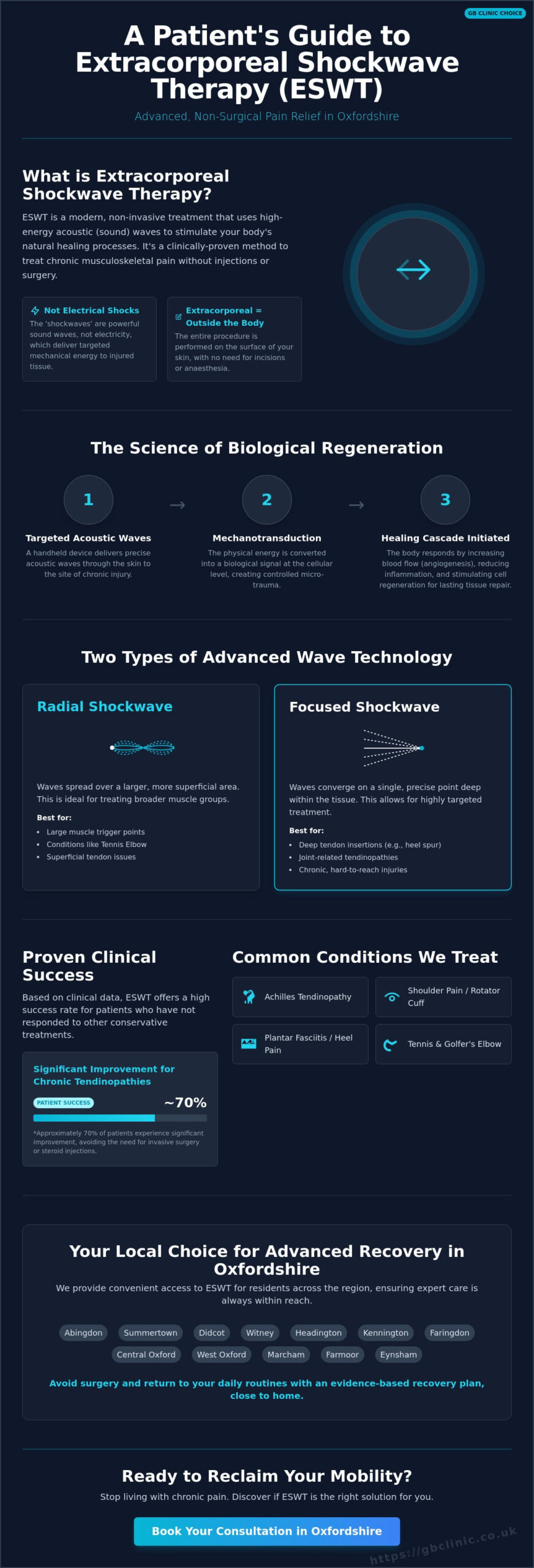
Extracorporeal Shockwave Therapy is a non-invasive medical procedure designed to treat chronic musculoskeletal conditions. The term ‘Extracorporeal’ literally means ‘outside the body,’ which clarifies that the entire treatment process happens without any need for incisions or surgical intervention. Many patients in Central Oxford or Abingdon are initially concerned about the word ‘shock,’ but it’s important to understand these are not electrical pulses. Instead, the technology utilizes high-energy acoustic waves, or sound waves, that travel through the skin to reach deep-seated tissues. It’s a sophisticated way to deliver mechanical energy directly to the source of your discomfort.
When patients ask what is extracorporeal shockwave therapy (ESWT), it’s best defined as a targeted acoustic therapy that triggers a pro-inflammatory healing response. This intentional ‘micro-trauma’ alerts the brain to a dormant injury site, prompting the body to restart its natural repair mechanisms. By using an Extracorporeal shockwave therapy (ESWT) device, clinicians can precisely manage chronic pain that hasn’t responded to traditional rest or medication. For those living in Summertown or Headington, this provides a modern, evidence-based path to recovery without the risks associated with invasive procedures.
To better understand this concept, watch this helpful video:
The Difference Between Radial and Focused ESWT
Not all shockwave treatments are the same. Radial waves spread over a larger, more superficial area, making them ideal for treating muscle groups or conditions like tennis elbow. Focused waves, however, penetrate deeper into specific anatomical structures such as joints or deep tendon insertions. At GB Clinic, we select the specific wave type based on your unique MSK diagnosis. This ensures that residents from Kennington, Marcham, and Farmoor receive the exact intensity required for their specific injury. By matching the technology to the tissue depth, we maximize the potential for long-term relief and functional restoration.
A Brief History: From Kidney Stones to MSK Care
The origins of this technology date back to the 1980s, where it was first used in lithotripsy to break down kidney stones without surgery. Clinicians soon noticed that patients also experienced improved healing in the surrounding soft tissues and bones. This discovery led to an evidence-based transition into modern sports medicine and private physiotherapy. Today, it stands as a gold-standard treatment for chronic tendinopathies. Whether you are based in Eynsham, Didcot, or Witney, you can access the same advanced care used by professional athletes. This evolution from urology to musculoskeletal care has made ESWT a reliable option for individuals in Faringdon and West Oxford who want to return to their active lifestyles safely and efficiently.
How ESWT Works: The Science of Biological Regeneration
To truly understand what is extracorporeal shockwave therapy (ESWT), we must look beneath the skin at the cellular level. This isn’t a passive treatment; it’s a catalyst for biological change. When you visit our clinics in Central Oxford or Headington, the primary goal is to initiate a process called mechanotransduction. This occurs when physical sound waves are converted into chemical signals within your cells. These signals tell your body that a dormant injury requires immediate resources, effectively calling for a reboot of the repair system. It’s a sophisticated way to communicate with your body’s internal pharmacy.
One of the most critical effects is angiogenesis. This is the formation of new blood vessels in areas where circulation has become stagnant. Poor blood supply is a common reason why tendon injuries in the foot or shoulder don’t heal on their own. By increasing nutrient delivery and oxygenation, ESWT creates an environment where tissue can finally thrive again. A scientific review of ESWT mechanisms confirms that these biological responses are what differentiate shockwave therapy from temporary pain relief methods. The therapy also targets Substance P, a neurotransmitter responsible for relaying intense pain messages to the brain. By lowering the concentration of this chemical, we help dampen chronic pain signals. This allows patients in Didcot or Faringdon to begin their rehabilitation with significantly less discomfort.
Rebooting the Healing Cycle
Many chronic musculoskeletal issues are essentially stuck in a state of failed healing. The tissue is neither fully repaired nor actively inflamed. ESWT converts these chronic conditions back into an acute phase. This shift increases the local metabolism of the injured tissue, forcing the body to allocate growth factors and collagen synthesis resources to the site. It’s a vital step for anyone in Summertown or Kennington who feels their recovery has plateaued. Our clinicians often combine this with physiotherapy to ensure the new tissue is strengthened correctly. If you’re struggling with a stubborn injury in Abingdon or Witney, this biological restart is often the missing piece of the puzzle.
Breaking Down Calcifications
For those dealing with calcific tendonitis, particularly in the shoulder, the mechanical energy of the shockwaves serves another purpose. It physically fragments hard calcium deposits that have formed within the tendon. Once these deposits are broken down into smaller particles, your body’s lymphatic system naturally absorbs and removes them over time. This process restores flexibility and reduces the grating sensation often felt during movement. Our specialists in West Oxford and Eynsham often use this method to help patients avoid more invasive alternatives. If you are based in Marcham or Farmoor and find that traditional rest hasn’t cleared your symptoms, you can explore our clinical approach to see how we address these complex structural issues.
Common Conditions Treated with Shockwave Therapy
While we’ve established how the technology reboots the body’s healing response, it’s essential to understand which specific ailments benefit most from this clinical approach. When individuals research what is extracorporeal shockwave therapy (ESWT), they often find it’s most effective for chronic conditions that have failed to resolve through standard rest or exercise. Clinical data indicates positive outcomes in approximately 70% of cases for chronic tendinopathies, making it a reliable alternative to more invasive methods. By targeting the source of the pain directly, we help patients across Oxfordshire avoid the need for long-term medication.
Commonly treated conditions include:
- Plantar Fasciitis: This is a primary application for ESWT, specifically targeting chronic heel pain and stiffness that makes those first steps in the morning incredibly difficult.
- Achilles Tendinopathy: We treat pain located at the back of the heel or mid-tendon, which often results from repetitive strain during sports or long walks.
- Lateral Epicondylitis: Frequently known as Tennis Elbow or Golfer’s Elbow, this involves persistent discomfort on the outer or inner side of the elbow that limits grip strength.
- Patellar Tendinopathy: Often called ‘Jumper’s Knee,’ this treatment manages anterior knee pain that can halt athletic progress.
Lower Limb and Foot Conditions
Beyond the foot and ankle, we provide effective treatment for shin splints and stress reactions. These issues are common among active individuals in Didcot and Witney who may have increased their activity levels recently. We also address Greater Trochanteric Pain Syndrome (GTPS), which affects the outer hip and can make sleeping on your side or walking long distances a challenge. For patients in Abingdon or Kennington, this non-invasive approach offers a clear path to natural recovery. It’s an efficient way to resolve symptoms that haven’t responded to traditional manual therapy alone.
Upper Limb and Shoulder Issues
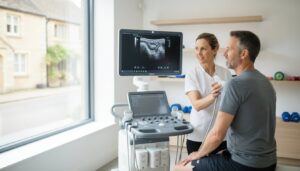
Upper body discomfort can be just as debilitating as leg pain. We specialize in treating calcific tendonitis and rotator cuff related shoulder pain, which often limit your range of motion and daily functionality. For those in Summertown, Headington, or Central Oxford, managing persistent wrist and elbow discomfort from repetitive strain is a priority. To ensure the most accurate treatment, we often integrate diagnostic ultrasound scans to confirm the specific target areas before beginning therapy. This precision is why residents in West Oxford, Farmoor, and Eynsham trust our clinical expertise. Whether you’re in Marcham or Faringdon, our goal is to restore your function so you can return to your active lifestyle without delay.
What to Expect During Your ESWT Appointment in Oxford
When you arrive for your clinical appointment, the process is structured to be transparent and efficient. Understanding what is extracorporeal shockwave therapy (ESWT) in a practical sense helps alleviate any anxiety about the procedure. Your journey begins with a focused consultation to ensure the treatment is the safest and most effective option for your specific musculoskeletal concern. Our clinicians follow a rigorous four-step protocol to ensure precision and patient comfort.
- Step 1: Clinical Assessment and Mapping. We start by identifying the exact location of your discomfort. This mapping ensures the acoustic energy is directed precisely at the damaged tissue.
- Step 2: Application of Coupling Gel. A specialized gel is applied to the skin. This medium is essential for the seamless transmission of sound waves from the device into your body.
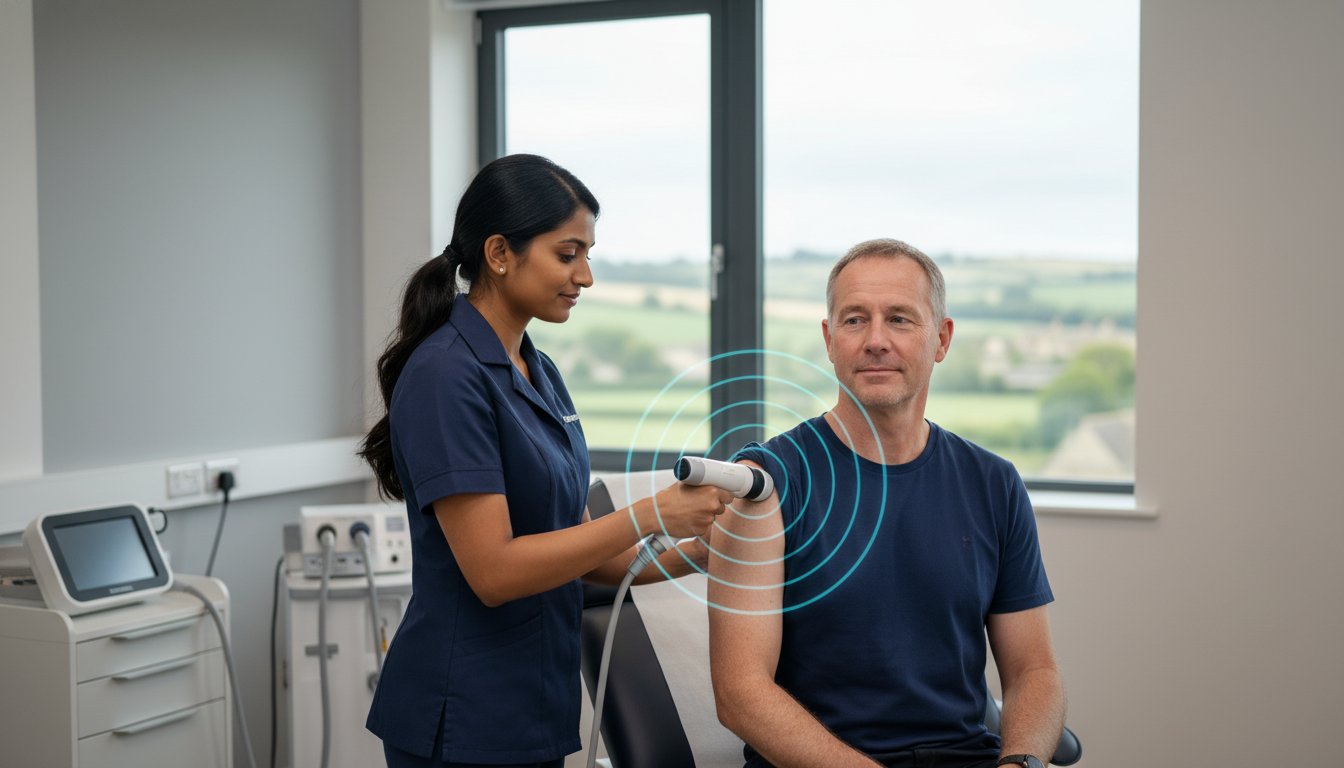
- Step 3: Precise Delivery. Using a handheld applicator, your clinician delivers the shockwaves to the targeted area. You’ll hear a rhythmic clicking sound as the device works.
- Step 4: Post-Treatment Advice. We provide clear guidance on activity levels for the following 48 hours and schedule your follow-up sessions. Research indicates that most patients require 3 to 6 sessions for optimal, long-term results.
Is ESWT Painful? Managing Patient Comfort
Many patients are naturally curious about the sensation of the treatment. It’s often described as a heavy pulse or a deep tapping against the skin. While it can be slightly uncomfortable, it’s generally not considered painful. We always start at lower intensities and gradually increase the energy as you habituate to the sensation. Because most sessions last only 10 to 15 minutes, the procedure is highly efficient and fits easily into a busy schedule. If you’ve been searching for what is extracorporeal shockwave therapy (ESWT) because you want to avoid surgery, this brief discomfort is a minor trade-off for significant functional restoration.
Accessibility Across Oxfordshire
Our clinics are strategically positioned to serve the entire regional community. We’re conveniently located for residents in Central Oxford, West Oxford, and Summertown, providing expert-led care right in the heart of the city. Commuters and residents from Abingdon, Kennington, and Marcham benefit from straightforward travel links, ensuring your recovery isn’t delayed by logistical hurdles. We also provide local expertise to patients visiting from Headington, Farmoor, and Eynsham. Those living in Didcot, Witney, and Faringdon find our facilities easy to reach via major regional routes. We’re committed to being the local choice for advanced pain relief. To begin your recovery journey, book your clinical assessment today and take the first step toward a pain-free lifestyle.
Why Choose GB Clinic for Your Advanced MSK Recovery
Choosing the right provider is as critical as the treatment itself. At GB Clinic, we provide expert-led care that seamlessly integrates physiotherapy with advanced technology to ensure long-term physical restoration. Understanding what is extracorporeal shockwave therapy (ESWT) involves seeing it as one part of a comprehensive recovery strategy. We don’t just apply a machine; we build holistic rehab plans that address the root cause of your discomfort. This patient-first approach allows us to bypass the long wait times often associated with general medical consultations, getting you back to your routine without unnecessary delays.
Precision is at the heart of our clinical practice. We utilize modern diagnostic tools, including ultrasound, to map your anatomy and ensure the acoustic waves target the exact area of tissue damage. This level of accuracy is why we are a trusted choice for extracorporeal shockwave therapy in Oxfordshire. Our specialists focus on evidence-based protocols that prioritize your comfort and safety, providing a professional, reassuring environment for every patient who walks through our doors.
Synergistic Treatments for Complex Pain
For many chronic conditions, a multi-modal approach yields the best results. We often combine shockwave protocols with Hyaluronic Acid injections to support both joint lubrication and tendon health simultaneously. For those struggling with degenerative changes, our specialist knee arthritis joint injections can complement ESWT by reducing inflammation while the shockwaves stimulate tissue repair. This combination is particularly effective for patients in Faringdon and Witney who require a more robust intervention for complex musculoskeletal pain. We also provide tailored exercise rehabilitation to ensure that once the pain is reduced, the surrounding structures are strong enough to prevent recurrence.
Your Path to Recovery Starts Here
You don’t need a GP referral to access our private MSK services. This direct access model ensures that residents in Central Oxford, West Oxford, and Summertown can begin their treatment journey immediately. Whether you’re commuting from Abingdon, Kennington, or Marcham, our clinics are positioned for easy regional reach. We serve a wide range of communities, including Headington, Farmoor, and Eynsham, ensuring that high-level clinical expertise is never far away. Residents in Didcot and the surrounding neighborhoods trust our commitment to effective, non-surgical alternatives.
Book your initial assessment at GB Clinic today to see if ESWT is the right choice for your recovery. Our team is ready to provide the clear, clinical path to a mobile and comfortable lifestyle that you’ve been searching for.
Take the Next Step Toward Lasting Pain Relief
Chronic musculoskeletal pain doesn’t have to be a permanent barrier to your daily activities. We have detailed how this technology restarts the body’s natural repair mechanisms to resolve stubborn injuries that haven’t responded to traditional rest. Having explored what is extracorporeal shockwave therapy (ESWT), it’s clear that this non-surgical alternative offers a scientifically backed path to recovery for patients across Oxfordshire. Whether you’re based in Summertown, Witney, or Abingdon, accessing this modern clinical care is straightforward and efficient.
Our clinics serve residents from Kennington, Marcham, and Headington to Farmoor, Eynsham, and Didcot. We combine the skills of expert MSK physiotherapists with advanced diagnostic ultrasound to ensure every treatment is targeted with clinical precision. This specialist approach to non-surgical pain relief is designed to help you return to walking comfortably or participating in sports without the need for invasive operations. Residents in Faringdon, Central Oxford, and West Oxford can trust our commitment to evidence-based restoration. Book Your Advanced Shockwave Assessment at GB Clinic Oxford today to begin your journey back to full mobility. We look forward to supporting your recovery and helping you reclaim a life free from persistent discomfort.
Frequently Asked Questions
How many sessions of ESWT will I need?
Most patients require between 3 and 6 sessions for optimal, long-lasting results. While some immediate relief is often reported, the full biological benefits of tissue repair manifest over a three-month period. Residents in Abingdon or Witney typically schedule these sessions once a week to maintain a consistent healing stimulus that drives the regeneration process forward effectively.
Is shockwave therapy covered by private medical insurance?
Many private medical insurance providers cover the cost of shockwave treatment, though you should verify your specific policy details before starting. Our clinics in Central Oxford and Summertown are recognized by various major insurers for musculoskeletal care. We recommend contacting your provider directly to confirm their specific requirements for non-invasive interventions to ensure a smooth administrative process for your claim.
Are there any side effects or risks associated with ESWT?
The side effects of ESWT are minimal and typically include temporary skin redness, minor swelling, or a dull ache in the treated area. These symptoms usually resolve within 48 hours without any additional medical intervention. Patients in Headington and Kennington find these mild, localized reactions a small trade-off for the significant long-term pain reduction the therapy provides during their recovery.
How soon can I return to sport after shockwave treatment?
You should avoid high-impact exercise for at least 48 hours following each treatment session, though light daily activity is perfectly acceptable. This short rest period ensures the biological regeneration process isn’t interrupted by excessive mechanical stress on the healing tissues. For active individuals in Didcot and Marcham, this brief pause is an essential step in achieving the best functional outcomes for their injury.
Can I have shockwave therapy if I’ve had a steroid injection?
A waiting period of 6 to 12 weeks is necessary if you’ve recently received a steroid injection in the target area. Because steroids suppress inflammation, they can inhibit the specific healing response that defines what is extracorporeal shockwave therapy (ESWT). Our specialists in West Oxford and Faringdon will help you time your treatment correctly to ensure maximum clinical efficacy and tissue restoration.
What is the success rate for ESWT in treating plantar fasciitis?
Clinical research indicates a success rate of approximately 70% for chronic plantar fasciitis and similar soft-tissue tendinopathies. This high level of efficacy makes it a premier choice for residents in Eynsham and Farmoor who have found no relief through traditional rest or medication. The treatment effectively addresses the underlying tissue dysfunction, facilitating a return to comfortable walking and daily activities without delay.
Is ESWT suitable for everyone, or are there contraindications?
ESWT is not suitable for individuals who are pregnant, have a pacemaker, or are taking certain anticoagulant medications. We also avoid treating areas with active malignancy or local infections to ensure patient safety. During your clinical assessment in Central Oxford or West Oxford, we’ll confirm that what is extracorporeal shockwave therapy (ESWT) is a safe and appropriate option for your unique medical history.
Why is shockwave therapy better than surgery for chronic tendon issues?
Shockwave therapy is often considered a superior alternative to surgery because it eliminates the risks of infection and the need for prolonged post-operative recovery. There’s no downtime required, meaning you can return to your daily routine in Oxfordshire immediately after a session. This efficiency is a significant benefit for busy individuals who want to avoid the complexities and hospital stays associated with invasive procedures.